
Pat O'Brien's Invention
The Hurricane was born of necessity. During World War II, whiskey was rationed in America, but Caribbean rum was plentiful. Pat O'Brien's bar on Bourbon Street in New Orleans was practically forced to buy cases of rum to secure their small whiskey allocation from distributors. Owner Pat O'Brien needed to move all that rum, so his bartenders created a fruity, dangerously drinkable cocktail and served it in glass shaped like a hurricane lamp. The French Quarter has never been the same.
The Real Thing vs The Tourist Trap
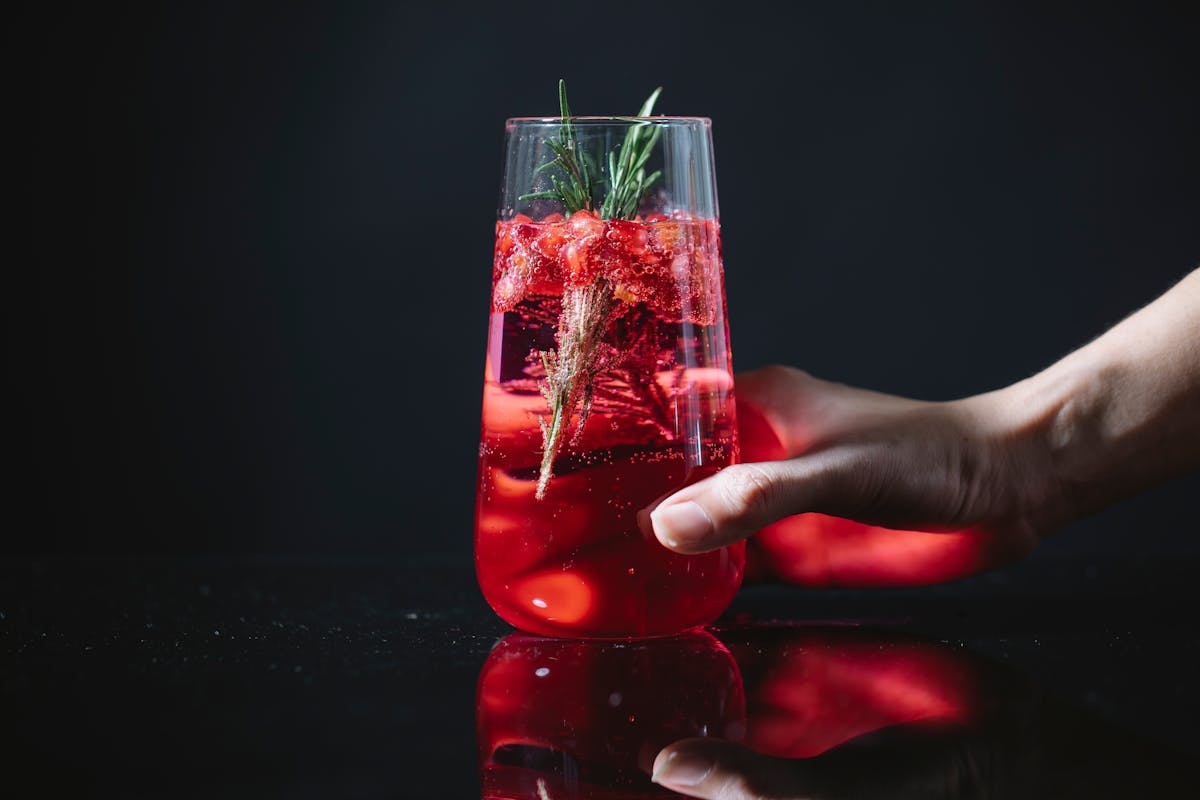
Modern Bourbon Street Hurricanes are often made from a premixed, fluorescent-red powder that bears no relation to the original. A real Hurricane uses genuine passion fruit, fresh citrus, and proper dark rum. It should taste tropical and tart with a rummy backbone — not like melted sweets. If your Hurricane is bright red and cloyingly sweet, you are drinking the wrong version.
The Rum
A full-bodied dark Jamaican rum is traditional. Myers's Original Dark is the classic choice — its heavy, almost tar-like molasses character stands up to the fruit. Coruba works similarly. For a more refined Hurricane, try Appleton Estate 8 Year or a blend of dark and aged rums. Some recipes call for a split of dark and white rum; this produces a lighter, more balanced drink.
Passion Fruit: The Heart of the Drink
Passion fruit syrup or puree is what separates a Hurricane from generic fruit punch. Its tart, aromatic intensity cuts through the sugar and lifts the rum. Funkin passion fruit puree or BG Reynolds passion fruit syrup are good options. If you can get fresh passion fruits, scrape out the pulp and add a bar spoon of sugar — nothing beats it.
Serving
- The Hurricane glass is non-negotiable for authenticity — the curved, lamp-shaped vessel is part of the experience
- Make a double batch and share — Hurricanes are a social drink
- Drink slowly. The fruit disguises a serious amount of rum.