
Trader Vic's Masterpiece
The Mai Tai was created in 1944 by Victor Bergeron — better known as Trader Vic — at his Oakland, California restaurant. He made it for friends visiting from Tahiti. After one sip, one of them reportedly exclaimed "Maita'i roa ae!" — Tahitian for "Out of this world! The best!" The name stuck. Trader Vic originally built it around a 17-year-old J. Wray & Nephew rum that no longer exists. When that supply ran out, he adapted the recipe to blend Jamaican and Martinique rums, which is the version we make today.
What a Mai Tai Is NOT
Over the decades, the Mai Tai has been bastardised beyond recognition. If it contains pineapple juice, orange juice, grenadine, or is served in a fishbowl, it is not a Mai Tai. The original is a short, potent, spirit-forward cocktail. The rum is the star, not the mixer. Orgeat and curaçao support the rum; they do not drown it.
The Rum Split
The two-rum split is what gives a Mai Tai its complexity. Jamaican rum (Appleton Estate 8 Year or the powerfully funky Smith & Cross) brings pot-still character — overripe fruit, esters, and weight. Martinique rhum agricole (Clement VSOP or Rhum J.M.) adds grassy, cane-sugar freshness and dry elegance. Together, they create a base no single rum can match.
Orgeat: The Secret Ingredient
Orgeat is an almond-based syrup with orange flower water. It provides silky texture and a subtle nutty sweetness that ties the whole drink together. Without it, you do not have a Mai Tai. Small Hand Foods and Liber & Co make excellent bottled versions. Homemade is even better.
Getting It Right
- Crushed ice is essential — it chills rapidly and creates the right dilution
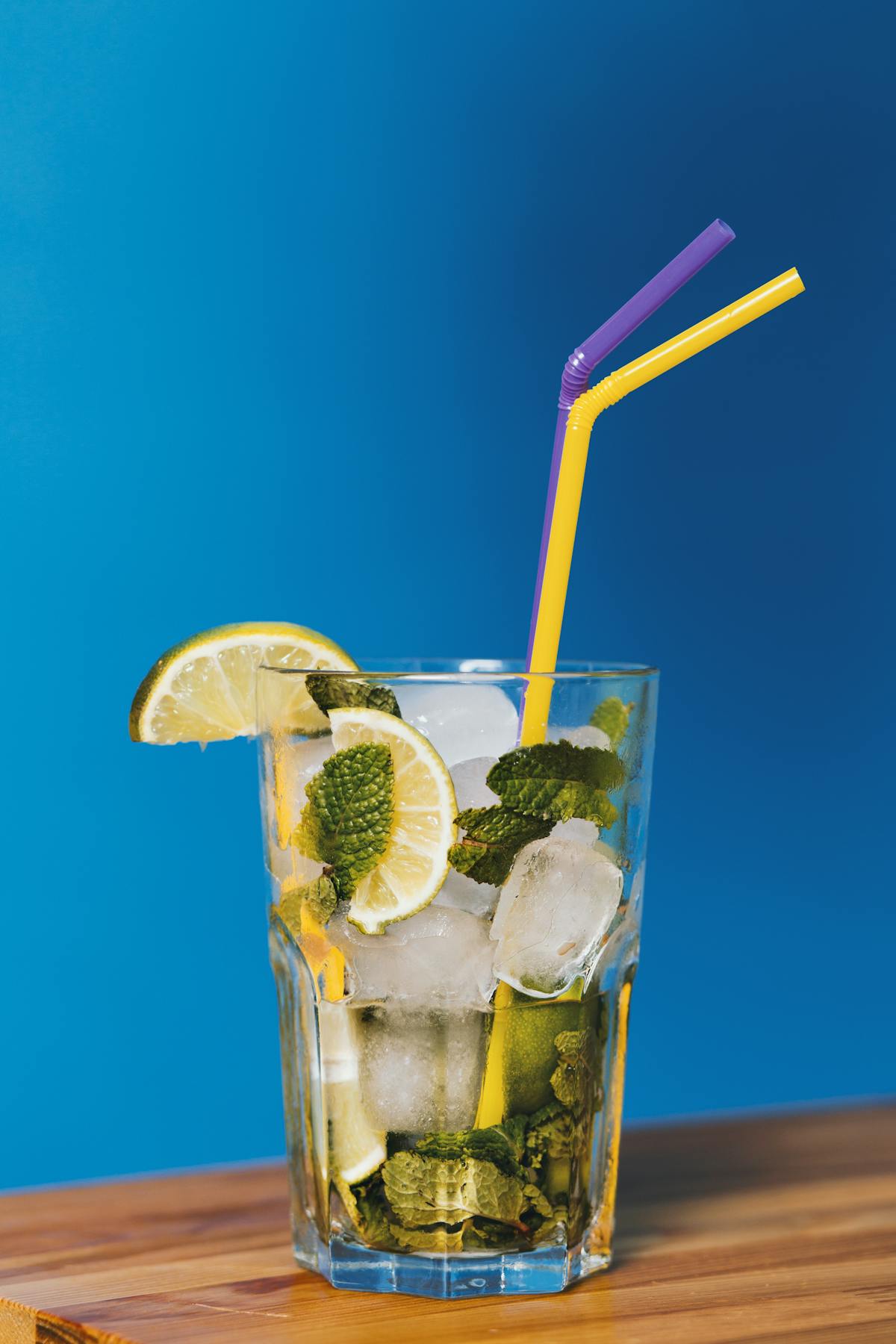
- The spent lime shell nestled in the ice is the traditional garnish, not a pineapple wedge
- A float of overproof rum (Wray & Nephew or Hamilton 151) is optional but magnificent