
From Havana to the World
The Mojito's origins are murky and hotly contested. Some trace it back to a 16th-century drink called El Draque, named after Sir Francis Drake, which mixed aguardiente with lime, sugarcane, and mint. The modern Mojito crystallised in Havana's La Bodeguita del Medio in the 1940s, where a handwritten sign attributed to Hemingway reads: "My mojito in La Bodeguita, my daiquiri in El Floridita."
The Mint Mistake
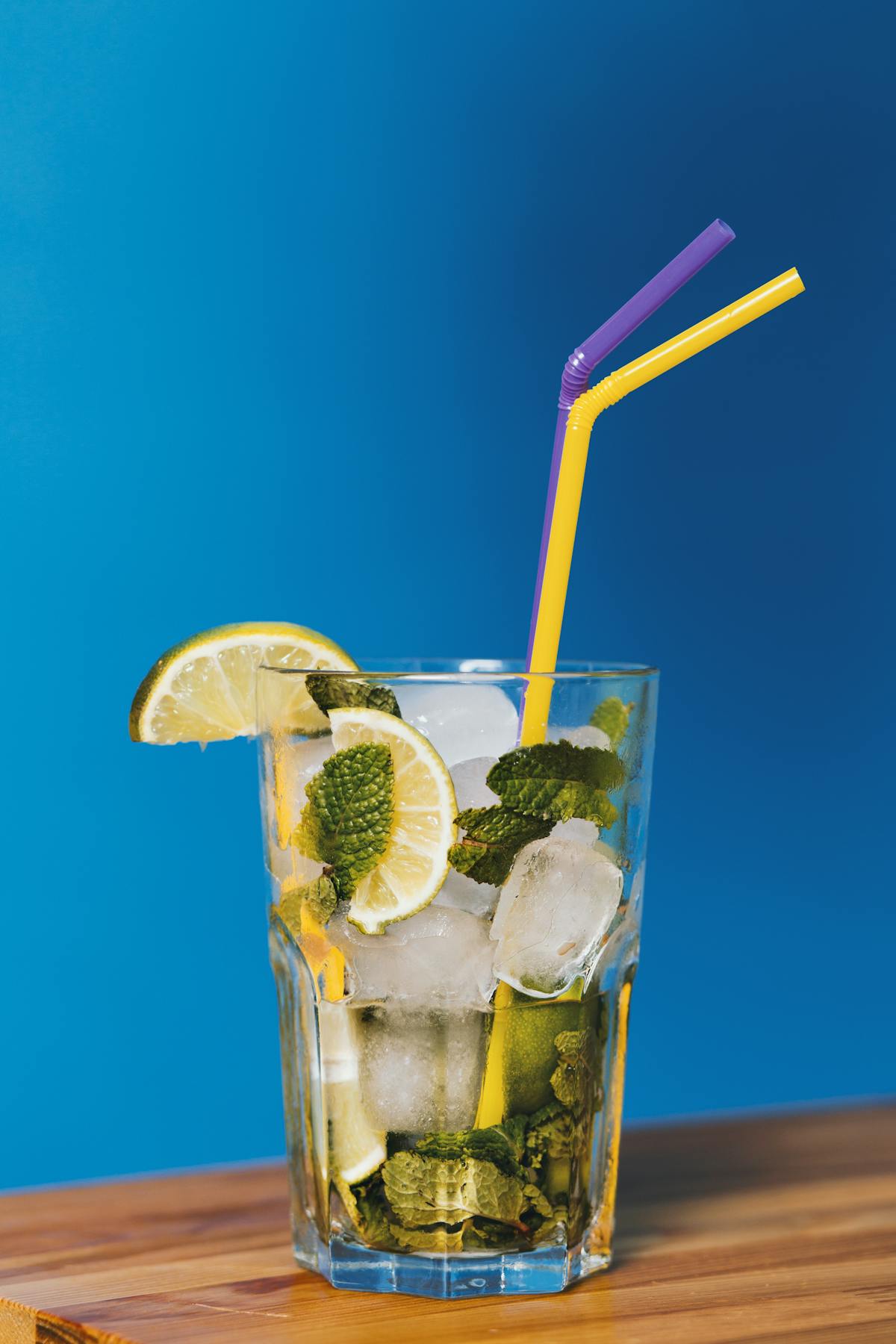
The single biggest error in Mojito-making is brutalising the mint. You are not making pesto. The goal is to gently press the mint to release its aromatic oils from the surface of the leaves. Aggressive muddling breaks the cell walls and releases bitter chlorophyll into the drink. Press lightly with a muddler or the back of a spoon — a few gentle pushes is all it takes.
Choosing Your Rum
The Mojito demands a clean, light white rum that plays well with mint and lime without overpowering them. Havana Club 3 Año is the authentic choice. Bacardi Carta Blanca works beautifully. For a twist, try Diplomatico Planas — its slight sweetness and vanilla notes add depth without competing with the mint.
Building the Drink
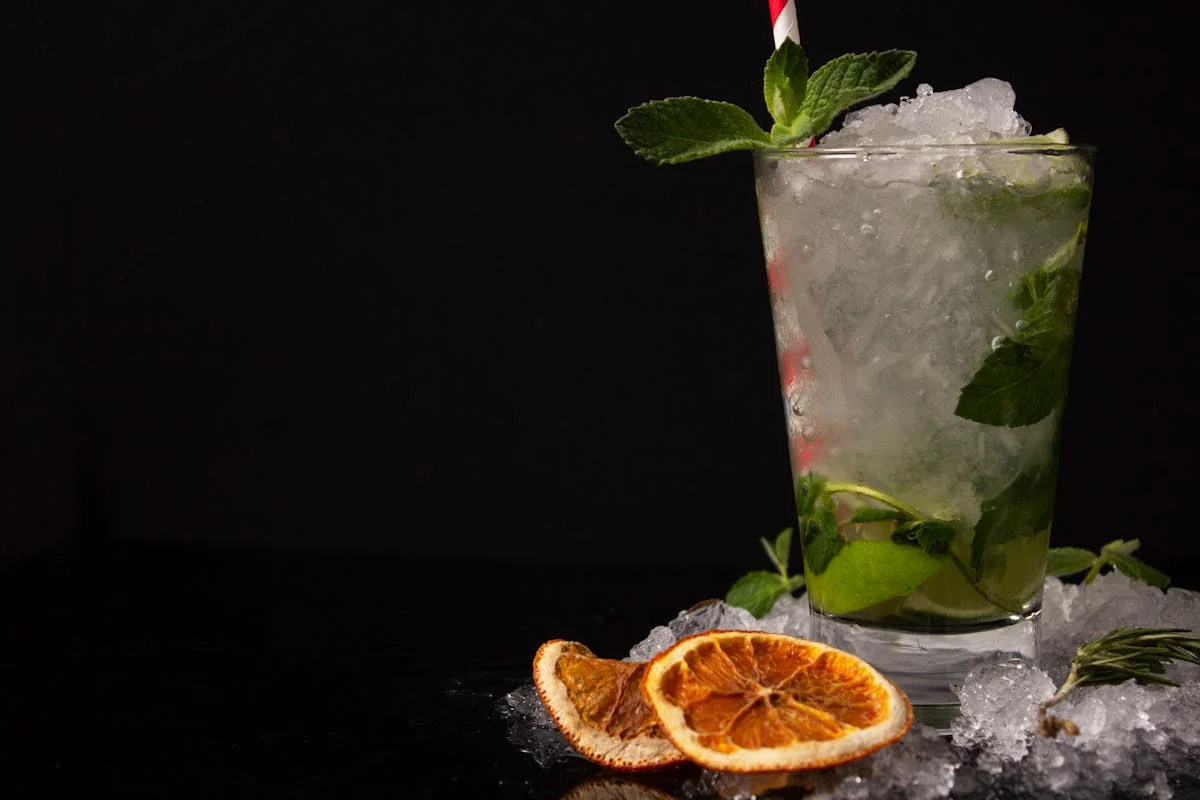
A Mojito is built in the glass, not shaken. Shaking would destroy the mint and lose the carbonation. The soda water should be added last, gently, to preserve its fizz. The final stir is a single motion from bottom to top — enough to integrate, not enough to flatten.
Key Tips
- Slap the mint sprig garnish between your palms before placing it — this wakes up the aroma
- Crushed ice is traditional and keeps the drink colder, but cubed ice works if that is what you have
- Serve immediately — a Mojito does not improve with waiting