
In the world of rum, everything begins with sugar. Not the white granulated sugar in your kitchen — that has been refined beyond all character — but the raw, living product of the sugarcane plant, in one of two forms: molasses or fresh sugarcane juice. Which form a distillery uses is not an incidental detail. It is the foundational choice that determines the entire character of the rum, and understanding it is the key to understanding why a Barbadian rum tastes nothing like a Martinique agricole.
Molasses: The Residue That Built an Empire
Molasses is the thick, dark, viscous syrup left over after sugar crystals have been extracted from sugarcane juice. It is, in a sense, a by-product — the part of the cane that the sugar industry does not want. But what the sugar industry discards, the rum industry prizes, because molasses is concentrated, complex, and rich with the flavour compounds that distillation will transform into rum.
The vast majority of the world's rum — perhaps 95% — is made from molasses. The English-speaking Caribbean (Jamaica, Barbados, Trinidad, Guyana), the Spanish-speaking Caribbean (Cuba, Puerto Rico, Dominican Republic, Venezuela, Guatemala), and most rum-producing nations elsewhere use molasses as their base material. The resulting rums tend towards richness, sweetness, and the caramel-toffee-dried fruit character that most people associate with rum.
The quality and character of the molasses matters enormously. Blackstrap molasses — the thickest, darkest, most concentrated grade, with the most residual sugar removed — produces rums of great intensity and depth. Lighter grades produce cleaner, more delicate spirits. Some distilleries, like Ron Zacapa in Guatemala, use 'virgin sugarcane honey' — the first pressing of the cane, before any sugar has been extracted — which is technically neither molasses nor fresh juice but something in between.
Fresh Sugarcane Juice: The Living Spirit
Rhum agricole is distilled from the fresh juice of the sugarcane plant, pressed and fermented within hours of harvest. This is a fundamentally different raw material from molasses — it is perishable, seasonal, and carries the immediate, living character of the cane itself. Where molasses is concentrated and caramelised, sugarcane juice is fresh, green, and vibrant.
The agricole tradition is centred in the French Caribbean — Martinique, Guadeloupe, Marie-Galante, Haiti, and Reunion. These islands, influenced by French agricultural and culinary traditions, developed a rum-making approach that treats the cane as a crop worthy of respect in its own right, rather than a by-product of the sugar industry.
The flavour profile of agricole rum is dramatically different from molasses-based rum. Expect grassy, herbaceous notes, fresh-cut sugarcane, white pepper, mineral complexity, and — in aged expressions — an interplay between vegetal freshness and oak influence that is unlike anything in the molasses rum world. Agricole is drier, lighter, and more terroir-expressive. It tastes of the land in a way that molasses rum, by its nature, cannot.
The Martinique AOC
Martinique is the only rum-producing island with an Appellation d'Origine Contrôlée — the same designation system that governs Champagne, Cognac, and Burgundy wine. The AOC for Martinique rhum agricole specifies the varieties of sugarcane permitted, the geographic zones where it may be grown, the harvest season, the methods of pressing and fermentation, the distillation parameters, and the ageing requirements for aged expressions.
This level of regulation is unique in the rum world and reflects a philosophy that treats rum as a product of terroir rather than merely a manufactured spirit. When you drink a Martinique AOC agricole — from Clément, J.M, Neisson, La Favorite, or HSE — you are tasting a controlled expression of a specific place, made under rules designed to preserve that expression.
Tasting the Difference
The best way to understand the molasses-versus-juice divide is to taste them side by side. Pour a glass of Appleton Estate 12 (a molasses-based Jamaican rum) alongside a glass of Clément VSOP (a sugarcane juice-based Martinique agricole). Both are aged for similar periods. Both are excellent rums. And they taste completely different.
The Appleton is rich, sweet, fruity — caramel, toffee, dried tropical fruit, vanilla, with the gentle Jamaican funk in the background. The Clément is dry, grassy, herbaceous — fresh sugarcane, dried herbs, vanilla, oak, with a vegetal freshness that the Appleton does not possess. Neither is better. They are simply different expressions of what sugarcane can become when transformed by human craft.
The Third Way
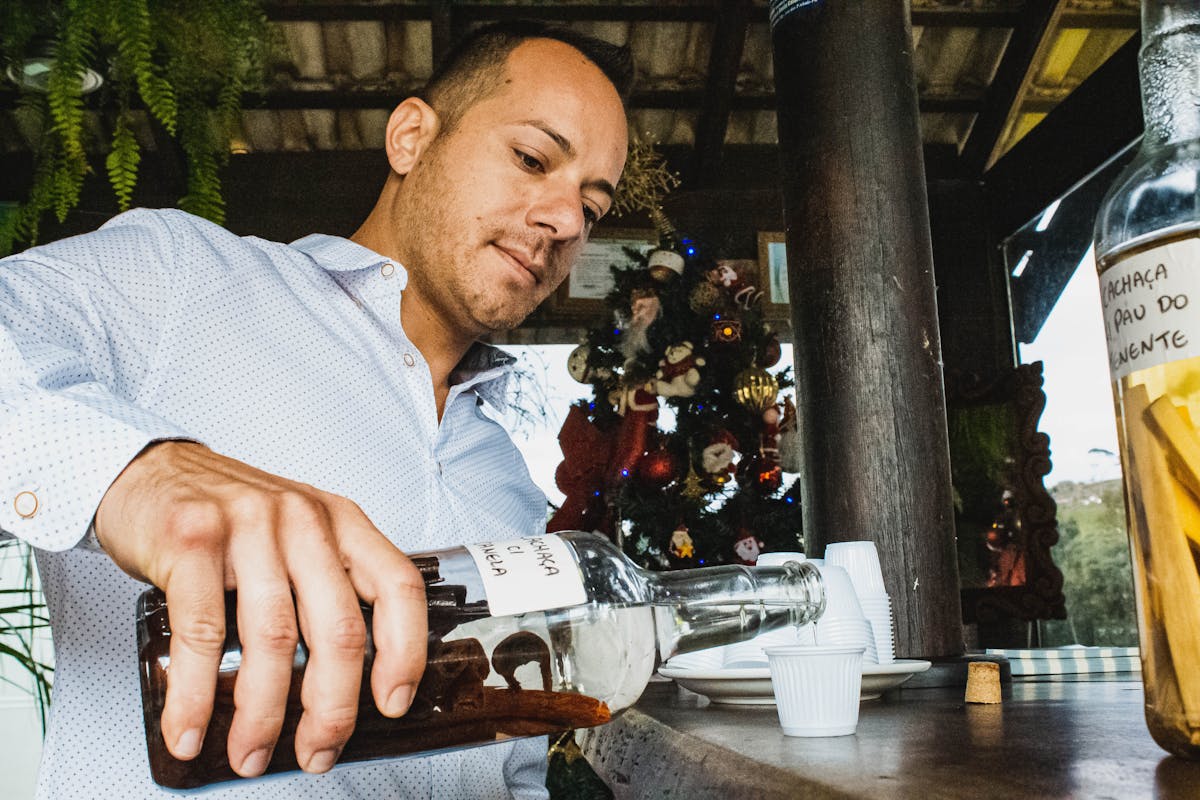
It is worth noting that a few producers blur the line. Clairin from Haiti is distilled from fresh sugarcane juice but follows neither the French agricole nor the English/Spanish molasses tradition — it is its own thing entirely, wild and unpredictable and fascinating. Some Brazilian cachaça producers ferment fresh sugarcane juice in methods that resemble agricole production but produce distinctly different results. And a handful of innovative distillers in non-traditional rum-producing countries are experimenting with both methods, sometimes in the same distillery.
The great divide between molasses and sugarcane juice is fundamental, but it is not the only story. Rum is a spirit of endless diversity, and its raw material is just the beginning of the journey.