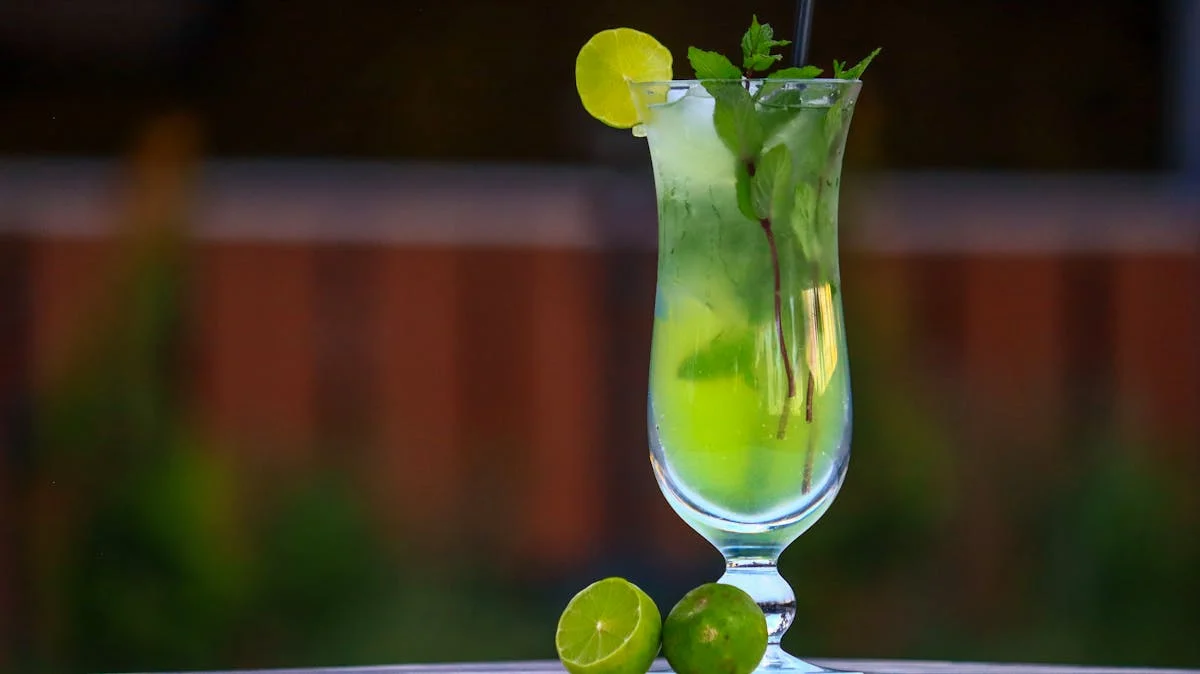

The Daiquiri is, on paper, the simplest cocktail in the world: rum, lime juice, sugar. Three ingredients, shaken with ice, strained into a chilled glass. No garnish (purists will fight you on this). No elaborate technique. No special equipment beyond a shaker and a strainer. A child could make one.
And yet the Daiquiri is also the most demanding test of a bartender's skill, because there is nowhere to hide. In a complex cocktail — a Zombie, a Planter's Punch, a Tiki creation with eight ingredients — individual components can mask flaws. In a Daiquiri, every element is exposed. The quality of the rum, the freshness of the lime, the balance of the sugar, the temperature, the dilution — get any of these wrong and the drink fails. Get them all right and the result is one of the most perfect things a human being can create from edible ingredients.
Origins: Iron Mines and Ice
The Daiquiri takes its name from a beach near Santiago de Cuba, where an American mining engineer named Jennings Cox is traditionally credited with inventing the drink in 1898. The story goes that Cox, working at the nearby Daiquiri iron mines, ran out of gin at a party and substituted the local rum. He combined it with lime and sugar — both readily available in Cuba — and the Daiquiri was born.
Whether Cox truly invented the combination is debatable. Cuban farmers and labourers had been mixing rum, lime, and sugar for generations — it is, after all, a logical combination of the ingredients most readily available on a Caribbean sugar island. What Cox may have contributed is the formal cocktail format: precise proportions, shaken with ice, served in a glass rather than drunk from a gourd or a tin cup.
The Classic Formula
The classic Daiquiri is built on a ratio that has remained essentially unchanged for over a century:
- 2 oz (60ml) white rum — traditionally a Cuban-style rum like Havana Club 3 Años, though any quality white rum works
- 1 oz (30ml) fresh lime juice — it must be fresh. Bottled lime juice is an abomination. The limes should be at room temperature for maximum juice yield.
- ¾ oz (22ml) simple syrup — or to taste. Some bartenders use demerara syrup for a richer sweetness; others use cane syrup for authenticity.
Shake hard with ice for 10-12 seconds. Double strain into a chilled coupe glass. No garnish.
That is it. Three ingredients. The simplicity is the point.
The Hemingway Variation
Ernest Hemingway, who spent much of the 1930s and 40s drinking at El Floridita bar in Havana, is associated with a variation that adds maraschino liqueur and grapefruit juice while reducing (or, in Hemingway's case, eliminating) the sugar. The Hemingway Daiquiri — sometimes called the Papa Doble — is a drier, more complex drink that showcases the interaction between rum, citrus, and the bittersweet cherry character of maraschino.
Hemingway's version is reputed to have been double-sized and made with no sugar at all, which would have been aggressively tart. The modern bartender's version typically includes a small measure of sugar to balance the grapefruit's bitterness, producing a drink that is crisp, complex, and remarkably refreshing.
The Frozen Heresy (and Its Redemption)
The frozen Daiquiri — blended with ice into a slushie-like consistency — is treated by cocktail purists with something between suspicion and contempt. And yet, made properly, it can be excellent. The key is to use enough rum (the freezing process dulls flavour, so you need a spirit with real character), fresh citrus, and a powerful blender that produces a smooth, even texture rather than chunky ice crystals.
A frozen Daiquiri made with Wray & Nephew overproof, fresh lime, and a touch of cane syrup on a 35-degree Caribbean afternoon is one of life's genuine pleasures. Context is everything.
Choosing Your Rum
The rum choice defines the Daiquiri. Here are my recommendations:
For a classic Daiquiri: Havana Club 3 Años, Plantation 3 Stars, or Flor de Caña 4. Light, clean, and balanced — these rums let the lime-sugar-rum interplay shine without introducing too much complexity.
For a Daiquiri with character: Probitas, Banks 5 Island, or Plantation Original Dark (a blanc rum, despite the name). These bring a fuller body and more flavour while remaining appropriate for the format.
For a funky Daiquiri: Smith & Cross (diluted to 45% with water), Wray & Nephew (used judiciously, perhaps as a split base with a lighter rum), or Rum Fire. These are pot still rums that bring the high-ester Jamaican character — banana, pineapple, funk — into the cocktail. Not for everyone, but for those who love it, there is no going back.
The Verdict
The Daiquiri is the measure of a rum and the measure of a bartender. When it is right — when the lime is fresh, the rum is good, the sugar is balanced, and the temperature is cold enough to make your teeth ache — it is the most perfect drink in the world. It is the cocktail that reminds you why rum exists.
Make one tonight. Use good rum. Squeeze your limes fresh. Shake it hard. And drink it before it warms up. You will not regret it.