
Stand in the Nassau Valley in Jamaica, surrounded by Appleton Estate's sugarcane fields, and you understand something about rum that no amount of reading can convey. The air is thick and humid, heavy with the scent of fermenting molasses from the distillery downwind. The soil beneath your feet is limestone, porous and mineral-rich, filtered through by the same water that will eventually become rum. The temperature, even in the shade, hovers around 30 degrees Celsius. This is the environment that shapes Jamaican rum — not just the distillation, not just the fermentation, but the ageing, the water, the very sugarcane that grows in this soil.
Terroir is a concept most often associated with wine, but it applies to rum with equal force. The character of a rum is shaped by a chain of environmental factors: the soil in which the cane grows, the climate that ripens it, the water used in production, the ambient temperature and humidity during fermentation, and — critically — the tropical conditions in which the spirit ages. Change any of these variables and you change the rum.
Barbados: Coral and Elegance
Barbados sits on a bed of coral limestone, and the island's water — filtered through layers of ancient coral — has a distinctive mineral softness that contributes to the elegant, refined character of Barbadian rum. The island's moderate tropical climate (by Caribbean standards) produces a relatively gentle maturation, and the tradition of double distillation in both pot and column stills creates spirits of notable smoothness.
Mount Gay and Foursquare are the standard-bearers. Their rums share a family resemblance — a softness, a balance, a sense of restraint — that is distinctly Barbadian. Where Jamaican rum shouts, Barbadian rum converses. Where Guyanese rum envelops, Barbadian rum caresses.
Jamaica: Limestone, Funk, and Fire
Jamaica's rum character is defined by two things: limestone-filtered water and high-ester pot still distillation. The limestone contributes a mineral brightness and clean foundation, while the extended fermentation periods — sometimes lasting weeks rather than days — produce the high ester counts that give Jamaican rum its signature funky, fruity character.
The term 'hogo' — from the French 'haut goût', meaning high taste — describes this character: overripe tropical fruit, banana, pineapple, a slightly wild, almost feral quality that is the hallmark of great Jamaican pot still rum. Hampden Estate, with its legendary ester counts, is the purest expression of this style, but every Jamaican distillery — Appleton, Worthy Park, Long Pond, Clarendon — carries this funky fingerprint to some degree.
Guyana: The Demerara Depth
Guyana produces the heaviest, most complex rums in the Caribbean, and the reason lies partly in its geography. The Demerara River basin, where the distillery operates, provides water with a distinctive mineral character derived from the ancient geology of the Guiana Shield. The intense tropical heat and humidity accelerate maturation dramatically, and the heritage stills — wooden and metal, each producing a distinct marque — create a diversity of rum styles from a single location that is unmatched anywhere in the world.
Demerara rums tend towards richness, density, and depth. They carry notes of dark sugar, treacle, dried fruit, and tobacco that reflect both the production methods and the environment in which they are made. The angel's share is ferocious — up to 8% per year — which means that the oldest rums are concentrated, intense, and profoundly flavourful.
Martinique: Volcanic Terroir
Martinique occupies a unique position in the rum world. Its rhum agricole — distilled from fresh sugarcane juice rather than molasses — is a direct expression of the island's volcanic terroir. The sugarcane grows in volcanic soil, irrigated by volcanic spring water, under a tropical sun filtered by the clouds that gather around Mont Pelée. The resulting juice, distilled within hours of pressing, carries the taste of the land in a way that molasses-based rum simply cannot.
The Appellation d'Origine Contrôlée (AOC) for Martinique rhum agricole — the only AOC granted to a rum anywhere in the world — codifies this terroir connection. The regulations specify everything from the varieties of cane permitted to the distillation methods to the minimum ageing periods, ensuring that Martinique agricole remains a genuine expression of place.
The Ageing Factor
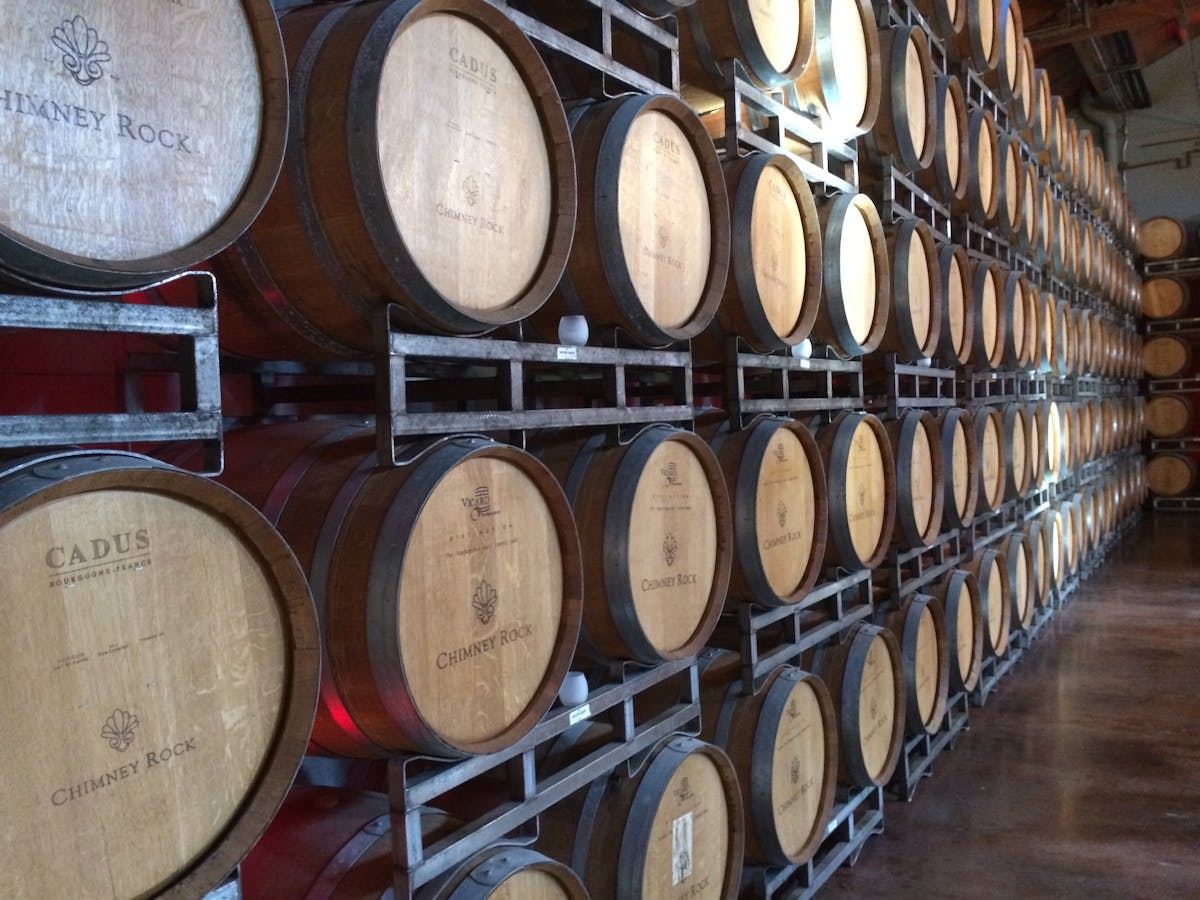
Tropical ageing is the great accelerator. In Scotland, whisky ages slowly in cool warehouses, losing perhaps 2% of its volume per year to evaporation. In the Caribbean, the angel's share is three to four times higher, and the interaction between spirit and wood is correspondingly more intense. A twelve-year-old tropical rum has undergone a degree of maturation that might take thirty years in a Scottish warehouse.
This is why direct age comparisons between rum and whisky are misleading. A twelve-year-old rum is not equivalent to a twelve-year-old Scotch — it is more mature, more oak-influenced, and more concentrated. Understanding this difference is essential for anyone exploring premium rum for the first time.
Terroir Matters
The next time you pour a rum, think about where it comes from. Not just the country on the label, but the soil, the water, the air, the climate, the centuries of tradition that shaped the spirit in your glass. Rum is a spirit of place, and its diversity — from the elegant refinement of Barbados to the wild funk of Jamaica to the volcanic intensity of Martinique — is one of its greatest gifts.