The word "Demerara" carries a weight in the rum world that few other terms can match. Named after the Demerara River that flows through Georgetown, Guyana's capital, Demerara rum has become synonymous with a style of dark, rich, full-bodied spirit that is among the most characterful in the world. But the story of Demerara rum is also a story of survival, consolidation, and the preservation of traditions that exist nowhere else.
A History of Consolidation
In the eighteenth and nineteenth centuries, Guyana — then British Guiana — was home to hundreds of sugar plantations, each with its own distillery. The names of these estates became the "marques" by which their rums were known: Port Mourant, Enmore, Versailles, Albion, Uitvlugt, Diamond. As the sugar industry contracted through the twentieth century, these distilleries closed one by one, their equipment either scrapped or, in some cases, rescued and relocated to a single surviving facility.
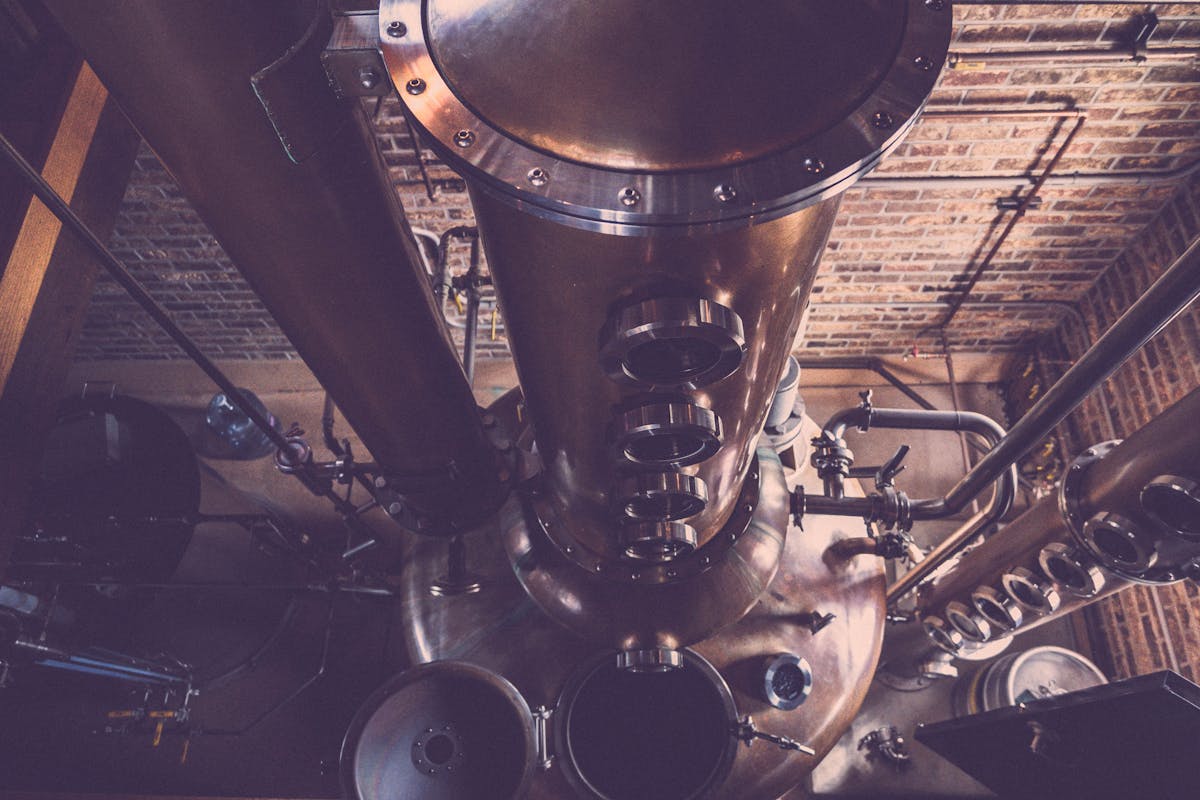
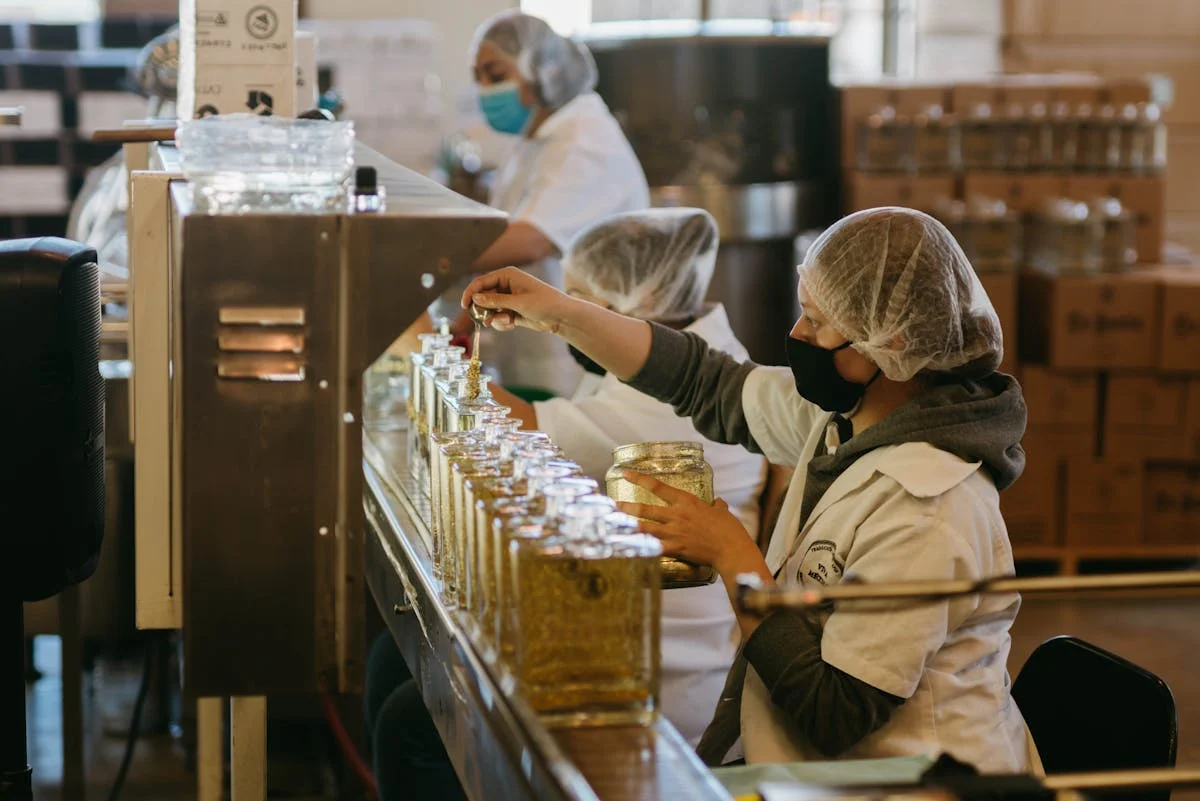
That facility is the Diamond Distillery, owned by Demerara Distillers Limited (DDL), which now produces all of Guyana's rum. But what makes Diamond unique — and uniquely important — is that it houses an extraordinary collection of historic stills salvaged from the closed estates. These include the Port Mourant double wooden pot still, the Enmore wooden Coffey still (the last of its kind in the world), the Versailles single wooden pot still, and several modern column stills. Each still produces a distinctly different rum, and DDL maintains them all in working order, preserving flavour profiles that would otherwise be lost to history.
The Wooden Stills
The wooden stills are Diamond's crown jewels. The Port Mourant double wooden pot still, originally built in the nineteenth century for the Port Mourant estate, produces a heavy, intensely flavoured rum with extraordinary ester richness. The Enmore wooden Coffey still — a continuous still made entirely of wood rather than the usual copper — produces a spirit of unique character, with a distinctly woody, resinous quality that cannot be replicated by any metal still. These wooden stills interact with the spirit during distillation in ways that copper does not, imparting flavour compounds that are genuinely unique to Guyana.
The El Dorado Range
DDL's best-known brand is El Dorado, which uses blends from the various stills to create a range of aged rums from the 3-year-old to the legendary 25-year-old. The blending of distillates from different stills — each with its own character — gives the master blender an extraordinary palette of flavours to work with. The 12 Year Old and 15 Year Old are particularly celebrated, offering remarkable complexity and depth at relatively modest prices. The 21 Year Old and 25 Year Old compete with the finest aged spirits in the world.
Challenges and Controversies
Demerara rum is not without controversy. The El Dorado range has been criticised by some in the rum community for the addition of sugar to the finished product, a practice that DDL has historically not disclosed. Recent transparency initiatives have begun to address this, and newer releases show a trend toward less dosage. There is also the broader question of sustainability: with all of Guyana's rum production concentrated in a single facility, the loss of Diamond would be catastrophic for the preservation of these unique traditions.
Despite these challenges, Demerara rum remains one of the most important and distinctive categories in the spirits world. The combination of historic wooden stills, tropical ageing, and a blending tradition that preserves the character of estates that closed decades ago makes Diamond Distillery a living museum of rum production. Every bottle of El Dorado is a connection to a tradition that stretches back centuries — and a reminder that some flavours are irreplaceable.