Pick up a bottle of Ron Zacapa 23 and you will see a prominent number on the label. Most consumers reasonably assume this means the rum inside is twenty-three years old. It does not. The "23" refers to the oldest rum in the solera system from which it is drawn — a fractional blending method where the actual average age of the liquid in your glass is significantly younger. This distinction matters, and the rum industry has been remarkably slow to address it honestly.
What Is Solera Aging?
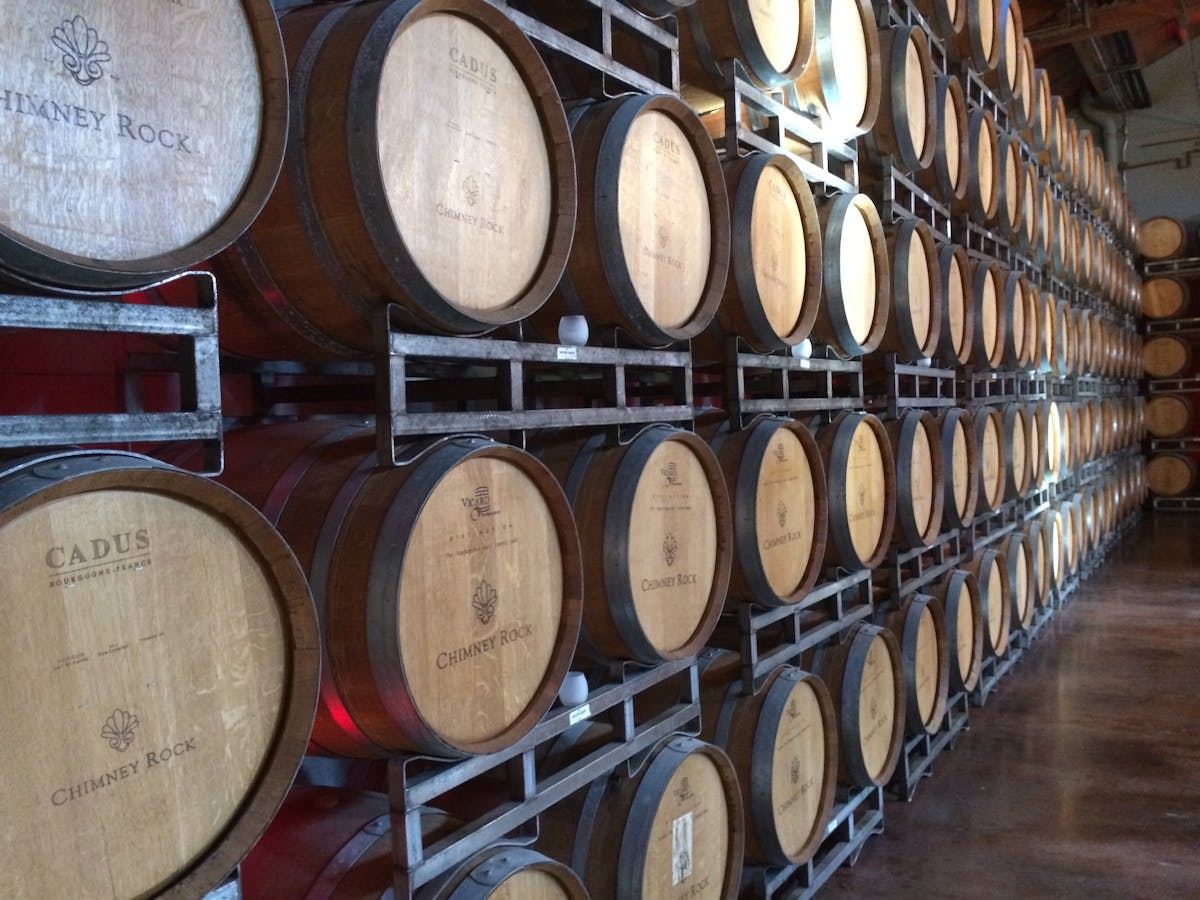
The solera system originated in the sherry bodegas of Jerez, Spain, and involves a cascading series of barrels arranged in tiers. New spirit enters the top tier, and finished product is drawn from the bottom. When rum is taken from the bottom tier, it is replenished from the tier above, which is in turn replenished from the one above that. The result is a blend that theoretically contains traces of every vintage ever added to the system — but where the majority of the liquid is considerably younger than the oldest component.
In sherry production, this system is well understood and transparently communicated. In rum, it has become a marketing tool that critics argue is used to inflate perceived age and justify premium pricing. When Dictador labels a bottle "20 Year," the average age of the rum inside may be closer to eight or ten years. When Zacapa says "23," independent analyses have suggested average ages between six and ten years.
The Age Statement Controversy
The debate came to a head in 2021 when the European Spirits Organisation began reviewing labelling standards for age statements on rum. Richard Seale of Foursquare Distillery in Barbados — one of the industry's most vocal advocates for transparency — argued that any age statement on a rum bottle should reflect the youngest component in the blend, not the oldest. "If your blend contains five-year-old rum and twenty-year-old rum," Seale wrote, "the honest age statement is five years."
Producers using solera systems countered that the method creates a product of greater complexity and consistency than single-vintage aging, and that the age reference on the label refers to the system's heritage rather than making a specific claim about the rum's average age. This argument has some merit — a well-managed solera does produce remarkably consistent, complex rum — but it sidesteps the fundamental question of whether consumers understand what they are buying.
Does It Matter in the Glass?
Here is the uncomfortable truth: many solera-aged rums are genuinely delicious. Ron Zacapa 23 is a beautifully crafted spirit regardless of its actual average age. Dictador 20 offers remarkable complexity. The solera system does produce distinctive, layered flavour profiles that straight aging cannot replicate. The issue is not quality — it is transparency.
A consumer paying premium prices for what they believe is a twenty-three-year-old rum deserves to know that the liquid in the bottle is, on average, considerably younger. The rum industry has an opportunity to lead on transparent labelling — and a few producers, notably Foursquare with their Exceptional Cask Selection series, are doing exactly that. Until the rest follow, consumers would do well to approach solera age statements with informed scepticism and judge what is in their glass on its own merits rather than the number on the label.