Ask a rum enthusiast what makes their favourite spirit special, and sooner or later the conversation will turn to stills. The method of distillation — pot still, column still, or a blend of both — is perhaps the single most important factor in determining a rum's character. Understanding the difference is the key to understanding why a Jamaican pot still rum tastes so profoundly different from a light Cuban column still expression.
The Pot Still: Tradition and Character
The pot still is the older technology, essentially unchanged in principle since the earliest days of distillation. A batch of fermented liquid (the "wash") is loaded into a copper pot, heated until the alcohol vapourises, and the vapour is condensed back into liquid. The process is inherently inefficient — each batch must be loaded, heated, distilled, and emptied before the next can begin — and it produces a spirit at a relatively low strength, typically between 60-75% ABV.
This inefficiency is, paradoxically, the pot still's greatest strength. Because the distillation is less thorough, more of the congeners — the flavour compounds produced during fermentation — survive into the final spirit. The result is a rum with enormous depth and complexity: fruity esters, rich oils, and the funky, sometimes challenging flavours that pot still enthusiasts adore. Jamaica's Hampden Estate, Worthy Park, and the Wedderburn marks of many Jamaican distilleries are classic examples of the pot still art.
The Column Still: Efficiency and Elegance
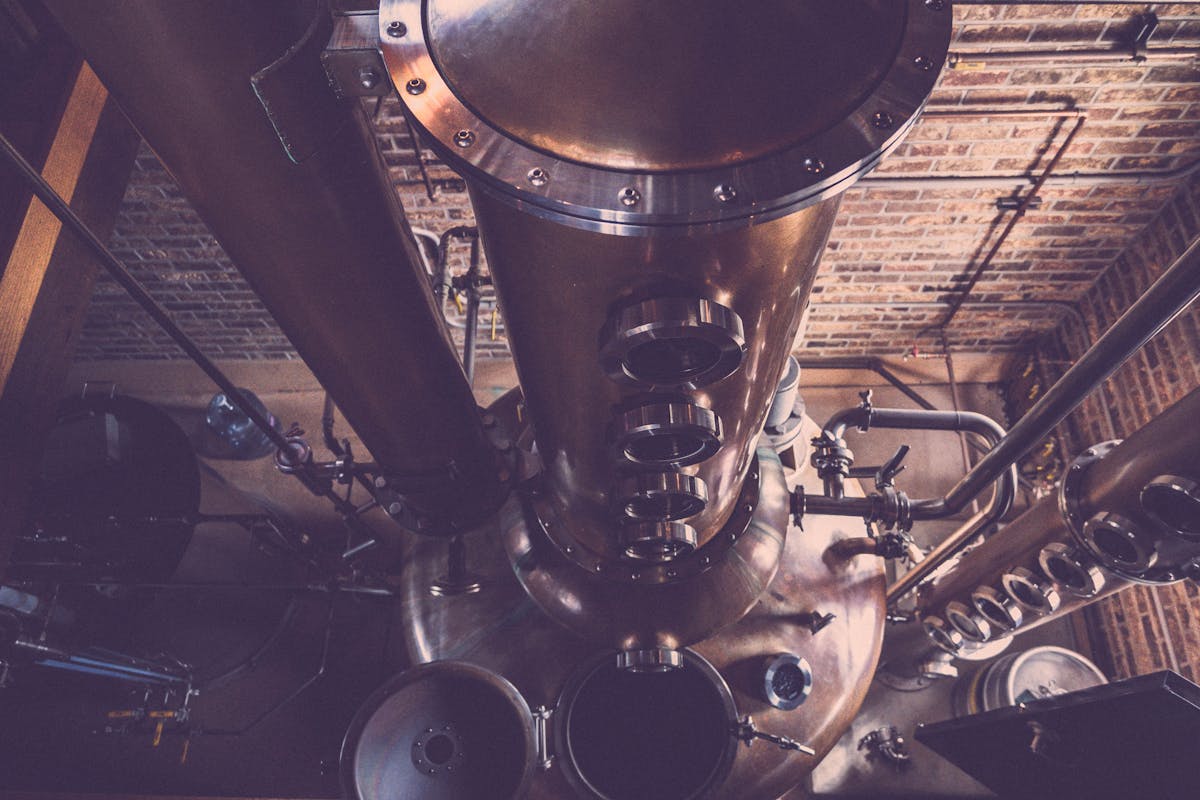
The column still — also known as the continuous still, patent still, or Coffey still — was invented in the early nineteenth century and revolutionised spirit production. Unlike the pot still, it operates continuously: wash is fed in at one end, and spirit emerges at the other, without the need to stop and reload between batches. The tall column design allows for repeated distillation within a single pass, producing spirit at much higher strengths — sometimes above 95% ABV.
This higher distillation strength strips away much of the congener character, producing a lighter, cleaner spirit. Column still rums are typically more neutral in flavour, with less of the intense fruitiness and funk of their pot still cousins. This makes them excellent bases for light, mixable rums — Bacardi, Havana Club, and many other Cuban and Puerto Rican rums are predominantly column still products. But lightness should not be confused with simplicity; a well-made column still rum can possess remarkable subtlety and elegance.
The Blend: Best of Both Worlds
Many of the world's most acclaimed rums are blends of pot and column still distillates. This approach allows the master blender to combine the depth and character of pot still spirit with the smoothness and accessibility of column still rum. Barbadian producers like Foursquare and Mount Gay are masters of this technique, creating rums that are both complex and approachable. El Dorado's Guyanese rums blend distillates from an extraordinary collection of historic stills, including the world's last operational wooden pot still and wooden Coffey still.
The Special Cases
Beyond the standard pot and column, the rum world harbours some fascinating outliers. Martinique's AOC regulations mandate the use of a specific type of column still — the Creole column — for all rhum agricole production. Guyana's Diamond Distillery preserves wooden stills that produce flavours unobtainable elsewhere. And some innovative producers are experimenting with hybrid stills that attempt to capture the best qualities of both traditions in a single distillation.
Ultimately, neither pot nor column still produces inherently "better" rum — they produce different rums, suited to different purposes and palates. The pot still devotee who dismisses column still rum as flavourless is missing the point, just as the drinker who finds pot still rum too intense is overlooking the extraordinary craftsmanship involved. Understanding the difference enriches every glass of rum you drink, because it connects the liquid in your hand to the copper and steel that shaped it.