
The Mai Tai is the most abused great cocktail in the world. In its debased form — the neon-orange, pineapple-juice-laden, grenadine-drenched monstrosity served in tourist bars from Waikiki to Cancún — it is a crime against rum. But in its original form, as created by Victor 'Trader Vic' Bergeron in Oakland, California in 1944, it is one of the most elegant and rum-forward cocktails ever devised: a simple, beautiful showcase for aged rum that happens to transport you to the tropics with every sip.
The story of the Mai Tai is a story of creation, theft, corruption, and (in recent years) restoration. It is also a story about rum — about how a single cocktail can demonstrate the extraordinary potential of aged spirits from the Caribbean.
The Origin
Trader Vic's account is that he created the Mai Tai on a quiet afternoon in 1944, using a bottle of 17-year-old J. Wray & Nephew rum from Jamaica. He combined the rum with lime juice, orange curaçao, rock candy syrup, and orgeat (almond syrup), shook it with ice, and served it to two friends from Tahiti. One of them reportedly took a sip and said, "Maita'i roa ae!" — Tahitian for "Out of this world! The best!" The name stuck.
Don the Beachcomber, Trader Vic's great rival in the tiki bar world, disputed this origin and claimed a version of his own. The argument was never fully resolved, and both men went to their graves claiming credit. What is beyond dispute is that Trader Vic's recipe — rum-forward, relatively simple, and reliant on aged rum for its depth — is the version that has endured and that serious bartenders recognise as the canonical Mai Tai.
The Recipe
The original recipe is disarmingly simple:
- 2 oz (60ml) aged Jamaican rum — the original used 17-year-old Wray & Nephew, which is now virtually unobtainable. Appleton Estate 12, Smith & Cross, or a blend of the two is the modern standard.
- 1 oz (30ml) fresh lime juice
- ½ oz (15ml) orange curaçao — Pierre Ferrand Dry Curaçao is the modern bartender's choice
- ½ oz (15ml) orgeat — almond syrup. Homemade is best; Small Hand Foods or Liber & Co are excellent commercial options.
- ¼ oz (7ml) rock candy syrup — or simple syrup
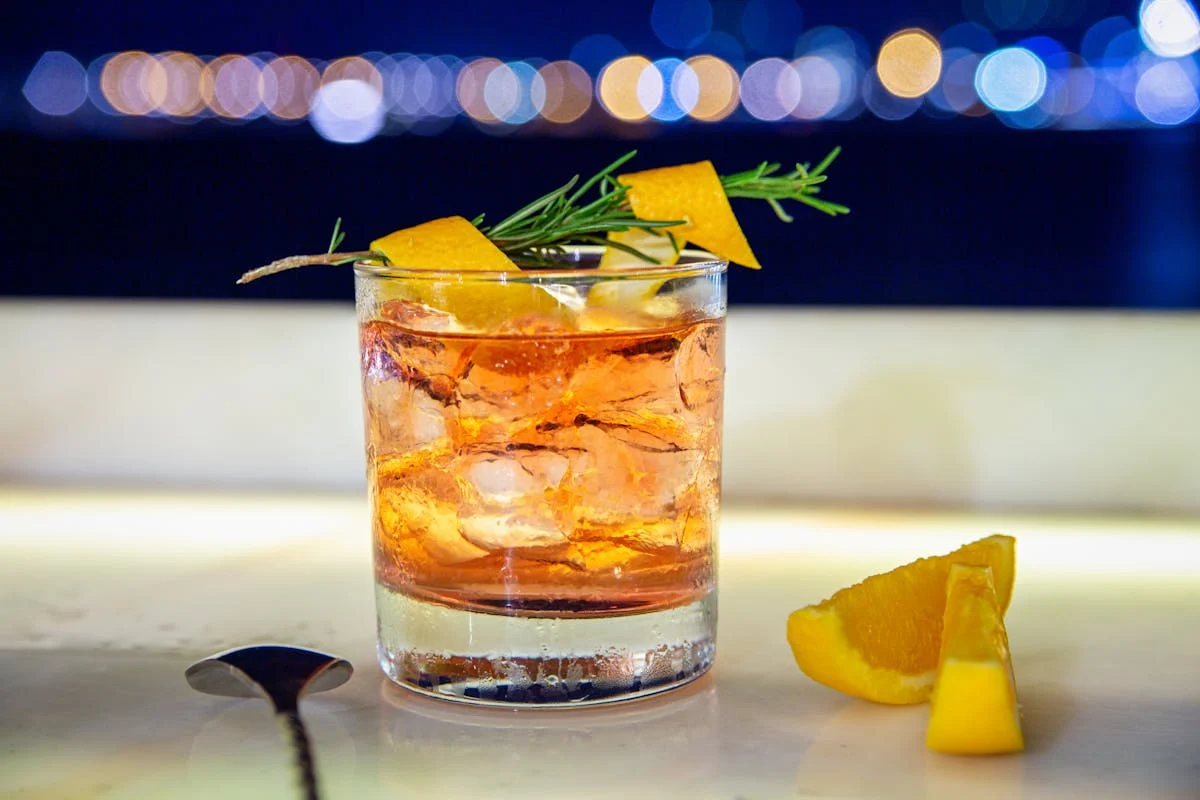
Shake hard with crushed ice. Pour unstrained into a double old fashioned glass. Garnish with a spent lime shell and a sprig of fresh mint.
Notice what is not in this recipe: pineapple juice, orange juice, grenadine, passion fruit, or any of the other additions that have turned the Mai Tai into a fruit punch. The original is a rum cocktail — a drink where the aged rum is the star, and the other ingredients exist to frame and complement its character.
The Rum
The rum is everything. A Mai Tai made with a light, neutral rum is pointless — the other ingredients overwhelm any spirit that lacks personality. What you need is aged rum with character: the toffee, dried fruit, and gentle funk of Jamaican pot still rum; or the smooth, oaky elegance of Barbadian rum; or a blend of both.
My preferred specs:
The Classic: 1.5 oz Appleton Estate 12 + 0.5 oz Smith & Cross. The Appleton provides smoothness and aged character; the Smith & Cross adds the funky, high-ester Jamaican pot still character that gives the drink its personality.
The Elevated: 2 oz Foursquare Probitas for a clean, balanced Mai Tai, or 2 oz El Dorado 12 for something richer and more Demerara-forward.
The Showstopper: 1.5 oz Hampden Estate 8 Year Old + 0.5 oz Myers's Dark as a float. The Hampden brings extraordinary fruit and ester character; the Myers's float adds a layer of dark, molasses-rich depth.
Why the Mai Tai Matters
The Mai Tai matters because it is proof that rum deserves the same reverence as whisky or cognac in cocktails. Made properly, with aged rum of genuine quality, it is a drink of remarkable sophistication — complex, balanced, and endlessly rewarding. It is also a drink that demonstrates, in the most delicious way possible, why the quality of the rum matters more than any other ingredient in the glass.
Make one tonight. Use good rum. Leave out the pineapple juice. And taste what Trader Vic tasted in Oakland on that afternoon in 1944.