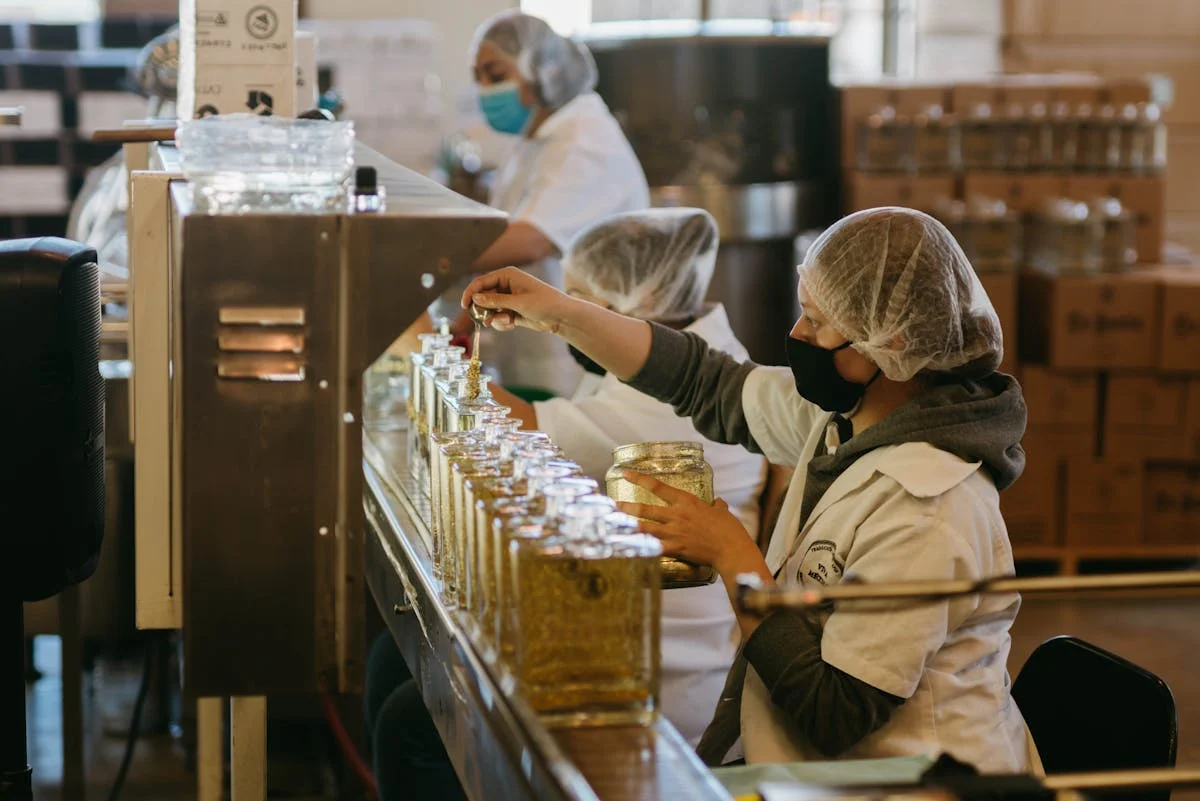

In the vast majority of the rum-producing world, rum is made from molasses — the dark, viscous byproduct of sugar refining. It is an efficient, economical approach: the sugar industry produces molasses as waste, and distillers transform that waste into spirit. Martinique takes a fundamentally different path. On this small French Caribbean island, rum — or more precisely, rhum — must be made from freshly pressed sugarcane juice. It is a choice that is more expensive, more labour-intensive, and more dependent on seasonal harvests. It is also, advocates argue, the source of a profoundly different and superior spirit.
The AOC: France's Gift to Rum
In 1996, Martinique became the first and only rum-producing territory in the world to receive an Appellation d'Origine Contrôlée — the same regulatory framework that governs Champagne, Cognac, and Burgundy wine. The AOC Martinique prescribes nearly every aspect of production: the varieties of sugarcane that may be used, the harvesting period, the minimum juice extraction rate, the fermentation parameters, the distillation method and proof, and the ageing requirements for different classifications.
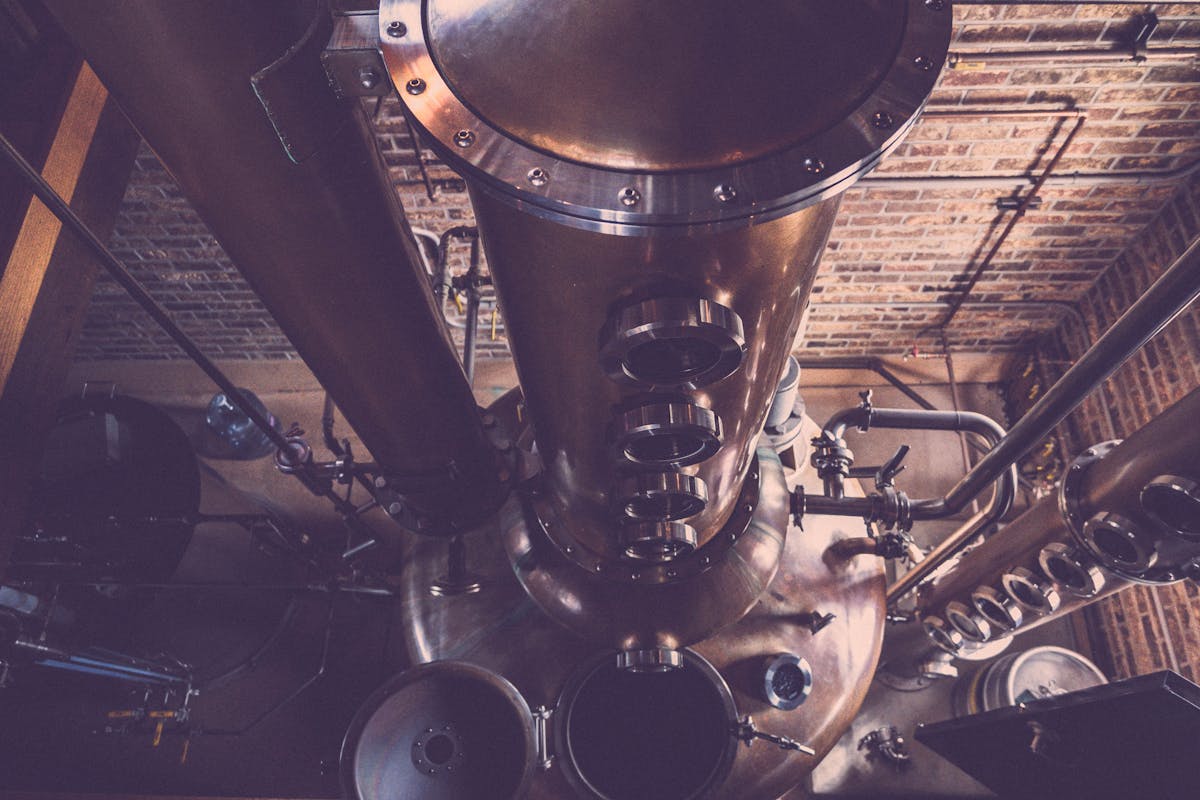
The regulations are extraordinarily specific. Sugarcane must be pressed within three days of harvest. The juice must be fermented within a prescribed temperature range. Distillation must occur on Creole column stills — the traditional apparatus of Martinican production — to between 65% and 75% ABV. Even the minimum ageing periods are defined: rhum vieux must spend at least three years in oak, VO at least four, and VSOP at least four with an average of at least five.
What Sugarcane Juice Tastes Like
The fundamental difference between agricole and molasses-based rum is terroir. Molasses is a standardised industrial product — a barrel of Guyanese molasses tastes much like a barrel of Trinidadian molasses. Fresh sugarcane juice, by contrast, varies enormously depending on the cane variety, the soil, the climate, the rainfall, and the moment of harvest. A blanc agricole from Martinique's northern slopes tastes different from one produced on the southern plains, because the cane is different, because the terroir is different.
Unaged agricole — rhum blanc — is characterised by a grassy, vegetal freshness that has no equivalent in the molasses rum world. There are notes of fresh-cut sugarcane, citrus, white pepper, and a mineral quality that reflects the volcanic soil of the island. Aged agricole develops differently from molasses rum in oak: the sugarcane character persists, providing a fresh counterpoint to the vanilla and caramel of barrel ageing, creating a flavour profile closer to cognac than to traditional Caribbean rum.
Beyond Martinique
Martinique is not the only producer of sugarcane juice rum. Guadeloupe, Haiti, and several other Caribbean islands produce their own expressions, as does Brazil with its cachaça. But Martinique's AOC gives its production a rigour and consistency that other regions lack. A bottle labelled "AOC Martinique" is a guarantee of provenance and production method in a way that few other rum labels can match.
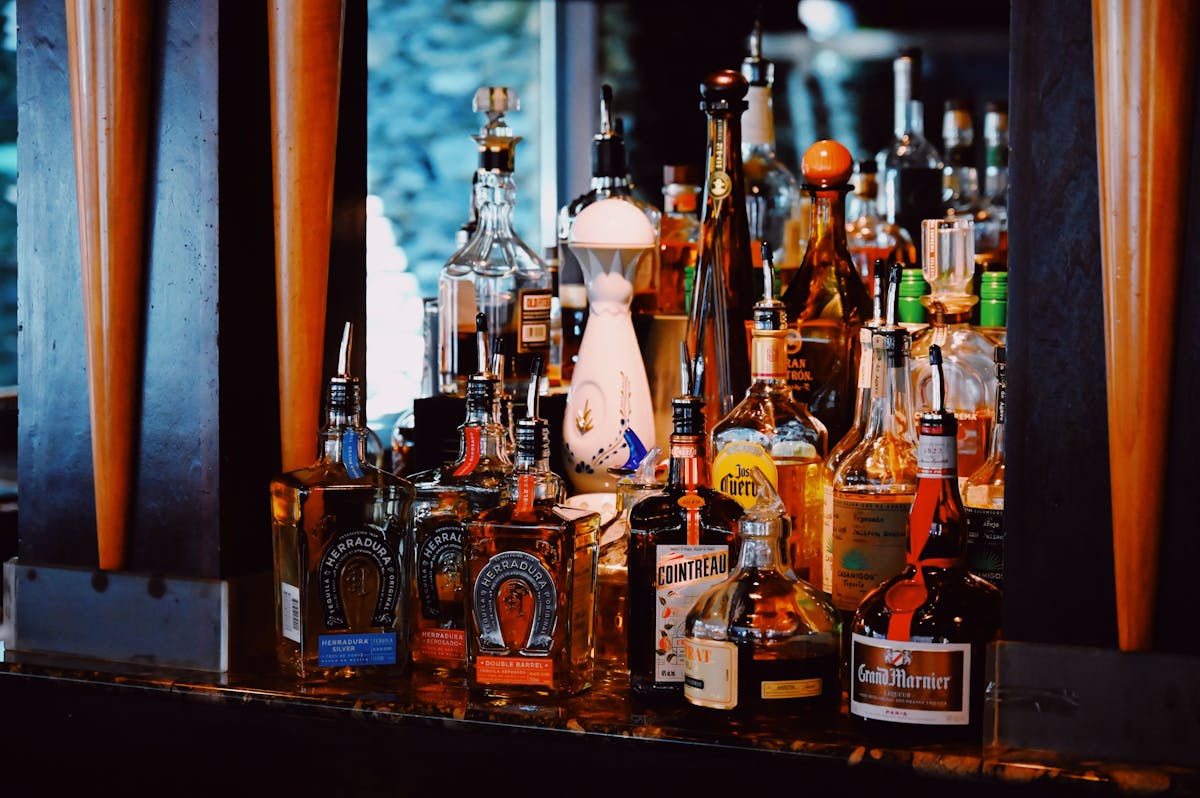
For the consumer, agricole represents an entirely different dimension of rum. If your experience of the category has been limited to molasses-based spirits — however excellent those may be — a glass of rhum agricole blanc will reset your understanding of what sugarcane can become. It is not better or worse than molasses rum; it is different, fundamentally and irreducibly, and that difference is worth exploring. Martinique's insistence on doing things differently is not mere stubbornness — it is a commitment to a flavour that cannot be achieved any other way.