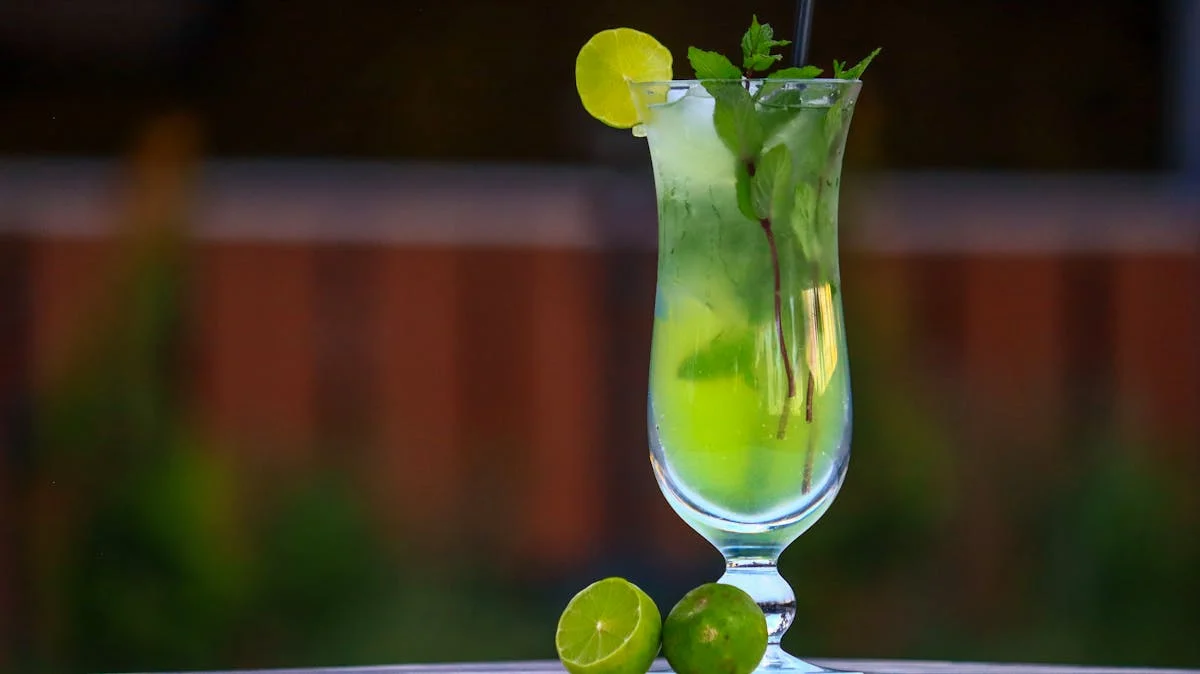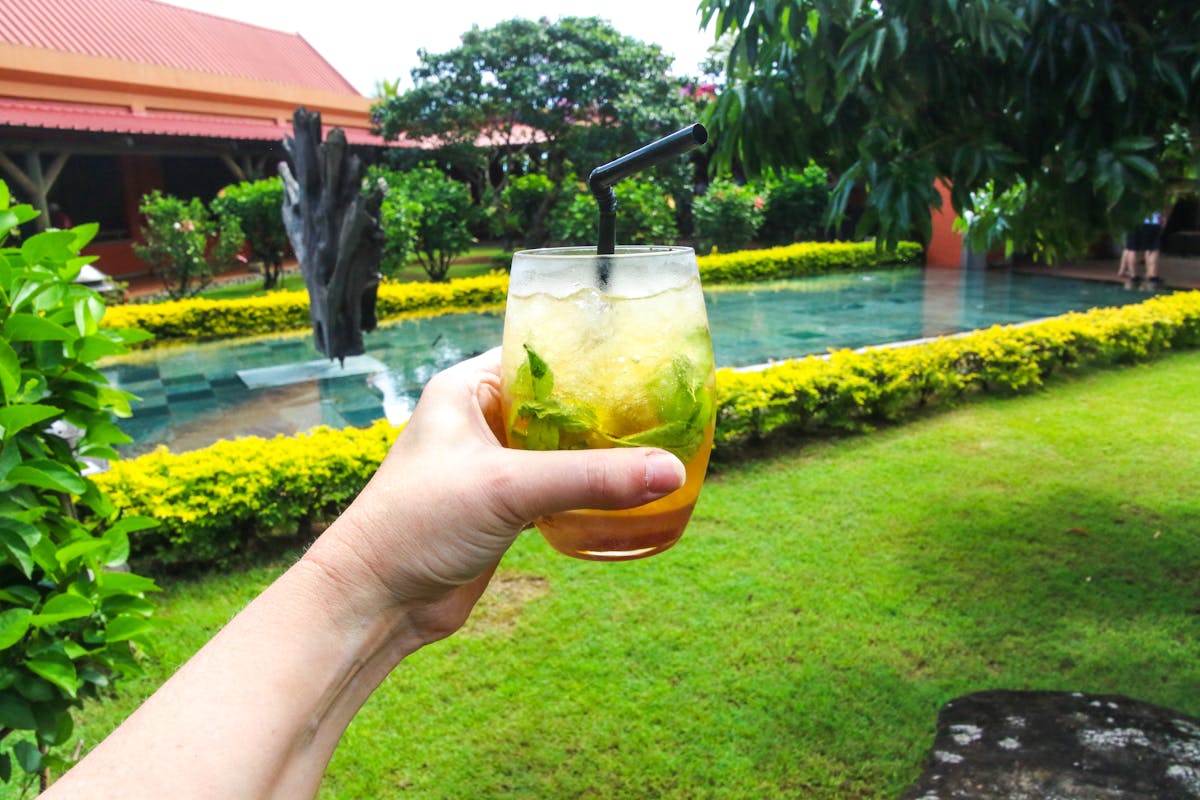

The Mojito is, by any measure, one of the world's great cocktails. Five ingredients — white rum, lime juice, sugar, mint, and soda water — combined to create something that is simultaneously refreshing, complex, and deeply satisfying. Its apparent simplicity is deceptive; making a truly excellent Mojito requires more skill and care than most people realise. Getting it right is one of bartending's most rewarding achievements.
Origins and Myths
The Mojito's origin story is, like most cocktail histories, a thicket of competing claims and romantic embellishment. The most commonly cited version traces the drink to sixteenth-century Cuba, where a primitive version called "El Draque" — named after Sir Francis Drake — was supposedly made with aguardiente, lime, sugarcane, and mint. The modern Mojito is generally credited to La Bodeguita del Medio in Havana, where a sign reportedly written by Ernest Hemingway reads: "My mojito in La Bodeguita, My daiquiri in El Floridita." Whether Hemingway actually wrote this is disputed; that the attribution helped make both bars world-famous is not.
What is certain is that by the mid-twentieth century, the Mojito was firmly established as one of Havana's signature cocktails, served in the city's legendary bars to a clientele that ranged from local sugar magnates to visiting American celebrities. The Cuban Revolution of 1959, and the US embargo that followed, paradoxically enhanced the Mojito's romantic appeal — it became the cocktail of a lost paradise, a taste of pre-revolutionary Havana that travellers sought out in other Caribbean destinations.
The Perfect Build
A great Mojito begins with the mint. Fresh spearmint is traditional — avoid peppermint, which is too aggressive. The leaves should be gently pressed, not muddled to destruction. The goal is to release the essential oils from the surface of the leaves, not to pulverise them into green mush. A gentle press with a muddler, or even the back of a bar spoon, is sufficient.
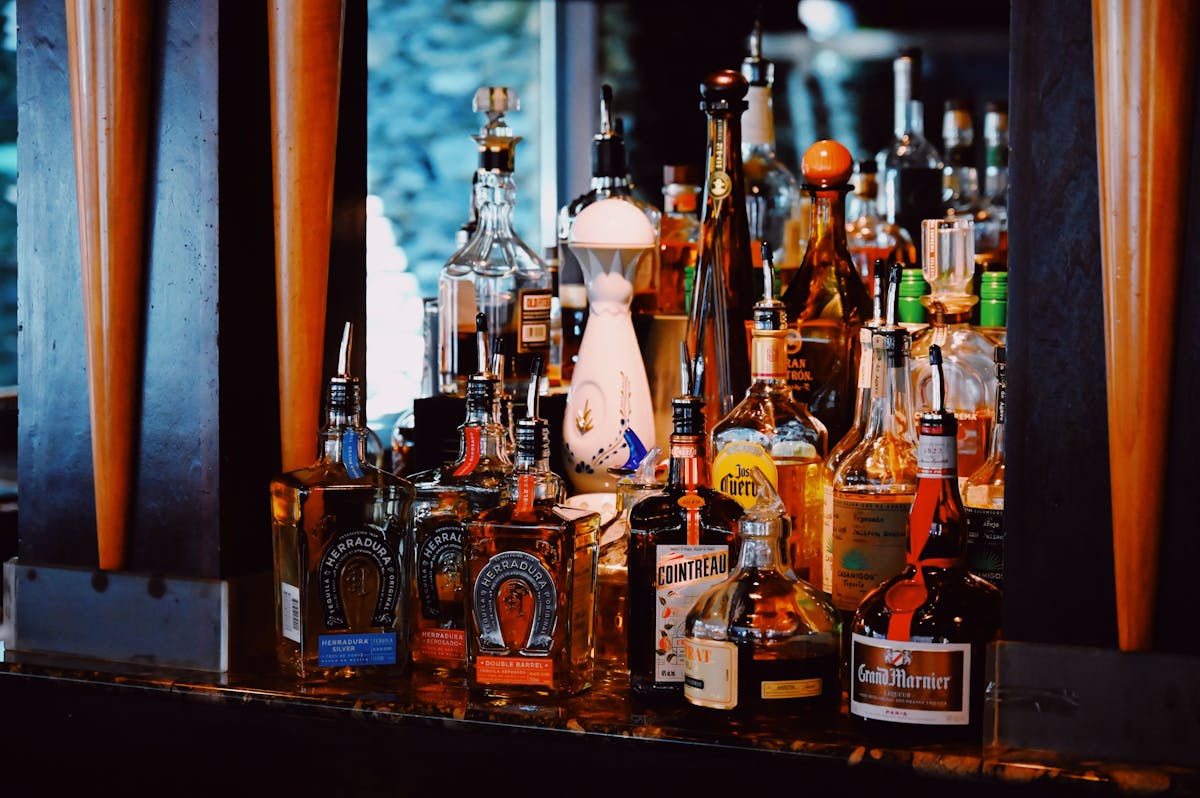
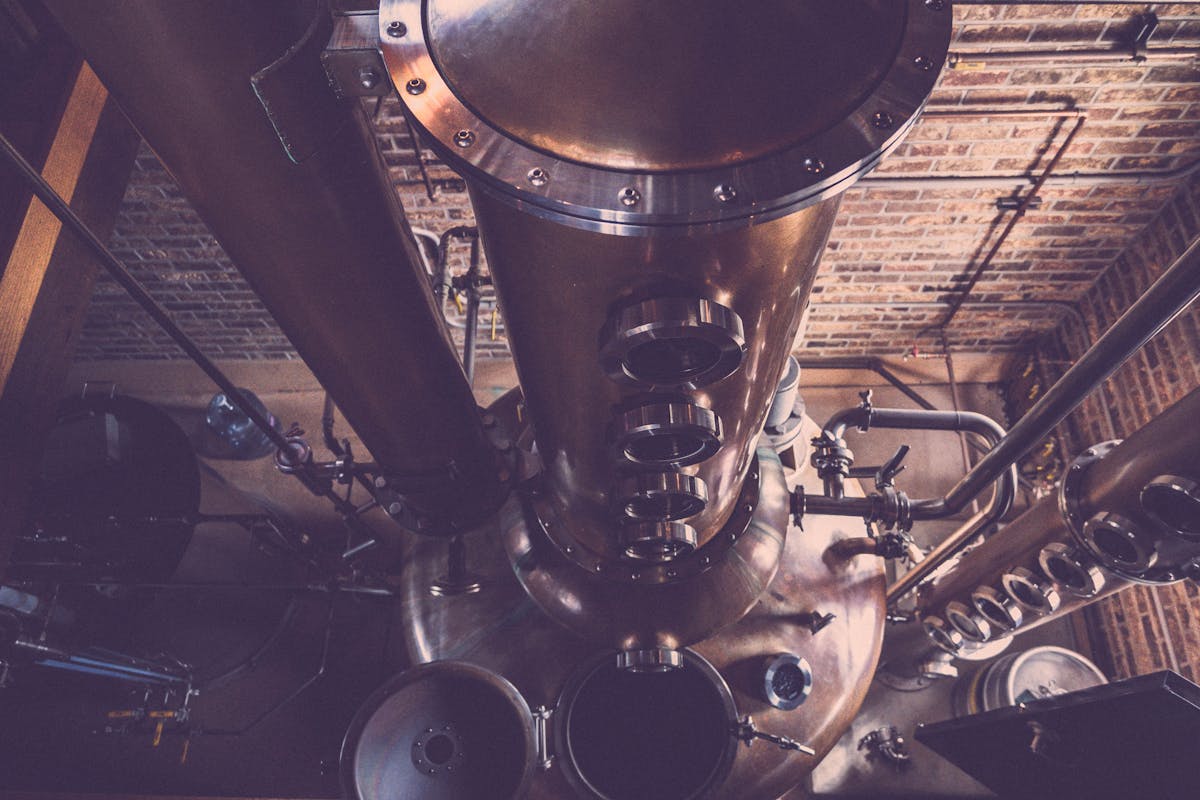
The rum matters more than most recipes acknowledge. A clean, characterful white rum — something like Probitas, Caña Brava, or Havana Club 3 Años — will produce a vastly superior drink to a neutral, industrial spirit. The rum should have enough character to stand alongside the mint and lime without being overwhelmed. Sugarcane-based rums, with their grassy freshness, are particularly sympathetic to the Mojito's flavour profile.
The Global Spread
The Mojito's explosion from Cuban specialty to global phenomenon occurred primarily in the early 2000s, driven by a combination of factors: the cocktail renaissance that was sweeping major cities, the growing availability of quality white rum, and — crucially — the drink's photogenic appeal. A Mojito looks beautiful in a glass, and in the age of social media, visual appeal is a powerful marketing tool.
Today, the Mojito appears on virtually every cocktail menu in every country on earth. It has spawned countless variations — strawberry Mojitos, passion fruit Mojitos, even non-alcoholic versions — some of which would make a Havana bartender weep. But at its core, the original recipe endures: white rum, fresh lime, sugar, mint, and soda. Five ingredients, one glass, infinite pleasure. Havana's gift to the world shows no sign of losing its appeal.