Here is a fact that should fundamentally change how you read age statements on rum bottles: a rum aged for twelve years in the Caribbean tropics has undergone vastly more maturation than a rum aged for twelve years in a London warehouse. The difference is not marginal — it is transformative, and it lies at the heart of one of rum's most fascinating ongoing debates.
The Science of Tropical Aging
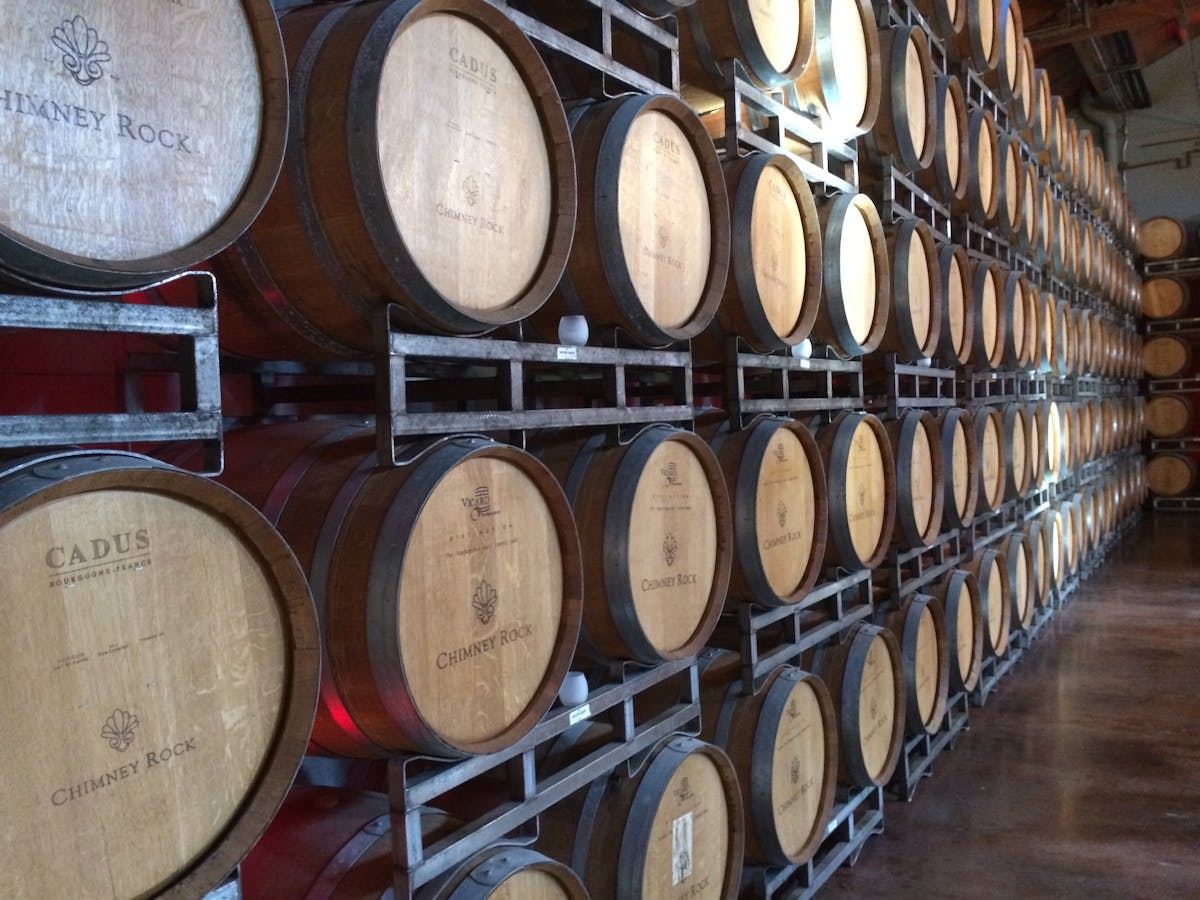
In the Caribbean, average temperatures hover around 28-32 degrees Celsius year-round, with humidity frequently exceeding eighty per cent. In these conditions, the interaction between spirit and oak is dramatically accelerated. The wood expands and contracts with daily temperature fluctuations, drawing spirit deep into the stave and pushing it back out, extracting colour, flavour, and tannin at a rate that temperate climates cannot match. A five-year-old Barbadian rum can exhibit the colour and complexity of a fifteen-year-old Scotch.
The cost of this acceleration is the angel's share — the volume of spirit lost to evaporation each year. In Scotland, this runs at approximately two per cent annually. In Barbados, it is six to eight per cent. In Jamaica, it can exceed ten per cent. A barrel filled in Trelawny with two hundred litres of new-make spirit may contain barely seventy litres after twelve years. What remains is extraordinarily concentrated, but the economics are punishing.
The Continental Alternative
Recognising both the advantages and costs of tropical maturation, several producers have adopted a hybrid approach. Rum is initially aged in the Caribbean — typically for three to five years, during which the most dramatic transformations occur — before being shipped to Europe for further maturation in cooler conditions. This continental aging allows the rum to develop additional complexity more slowly and affordably, losing less volume to evaporation while gaining the subtle refinements that extended oak contact provides.
The results are genuinely different. Tropically aged rums tend to be darker, richer, and more intensely flavoured, with prominent oak influence and concentrated dried fruit and spice character. Continentally aged rums — or tropically-then-continentally aged hybrids — tend to be more restrained and nuanced, with lighter colour, more delicate oak integration, and a wider range of subtle flavour notes.
The Labelling Question
This difference raises important questions about age statement labelling. Is a five-year-old Barbadian rum comparable to a fifteen-year-old continentally aged rum? Should labels distinguish between tropical and continental ageing? The Scotch whisky industry has long benefited from the assumption that older is always better — but rum, with its wildly varying maturation conditions, complicates that narrative considerably.
For the consumer, the practical takeaway is simple: do not compare age statements across climates. A six-year-old Foursquare from Barbados and a twelve-year-old rum aged in a London dockside warehouse are fundamentally different propositions, each valid on its own terms. The number on the label tells you how long the spirit sat in wood; it tells you nothing about the intensity of the conversation that wood and spirit had during that time. Climate determines the volume of that conversation, and in the tropics, the volume is turned up to eleven.