There was a time when visiting a rum distillery meant little more than a dusty warehouse, a disinterested guide, and a plastic cup of the house blend at the end. Those days are emphatically over. Across the Caribbean, rum producers are investing millions in state-of-the-art visitor centres, immersive experiences, and heritage tours that rival anything the Scotch whisky industry can offer.
Barbados Leads the Way
Barbados, with its extraordinary concentration of world-class distilleries, has been at the forefront of this transformation. Mount Gay's visitor centre in Bridgetown offers a deep dive into the history of the world's oldest rum, complete with blending experiences where visitors create their own unique expressions. Foursquare, under the stewardship of master distiller Richard Seale, has opened its doors to limited-group tours that offer an unfiltered look at one of the most respected operations in the industry. The St. Nicholas Abbey experience combines rum tasting with a tour of one of only three remaining Jacobean mansions in the Western Hemisphere.
Jamaica's Heritage Trail
Jamaica's approach is characteristically different — more raw, more visceral, more connected to the land. Appleton Estate in the Nassau Valley offers tours that begin in the sugarcane fields and follow the rum's journey from harvest to bottle. Hampden Estate, producer of some of the world's most intensely flavoured rums, has recently opened for visits, offering a glimpse into the high-ester fermentation process that produces Jamaica's legendary funky character. Worthy Park Estate combines a working sugar plantation with a modern distillery, bridging centuries of Jamaican rum-making tradition.
Cuba, Martinique, and Beyond
In Cuba, the Havana Club Museum of Rum in Old Havana has long been a tourist staple, but newer experiences are emerging that go beyond the gift shop. Martinique's rhum agricole producers — Clément, Rhum J.M, and Neisson among them — offer some of the most beautiful distillery settings in the world, with tours that explain the unique AOC regulations that govern production on the island. Trinidad's Angostura distillery and Guyana's Diamond Distillery have also begun welcoming visitors, opening windows into two of rum's most historically significant production centres.
The Economic Impact
The numbers tell a compelling story. Rum tourism now generates an estimated $200 million annually across the Caribbean, supporting thousands of jobs in communities where employment options can be limited. For distilleries, the visitor experience serves a dual purpose: it generates direct revenue through tours and gift shop sales, but more importantly, it creates brand ambassadors who return home with stories and bottles to share. The Caribbean Tourism Organisation has recognised rum as a strategic asset, actively promoting distillery trails alongside the region's traditional sun-and-sand offerings.
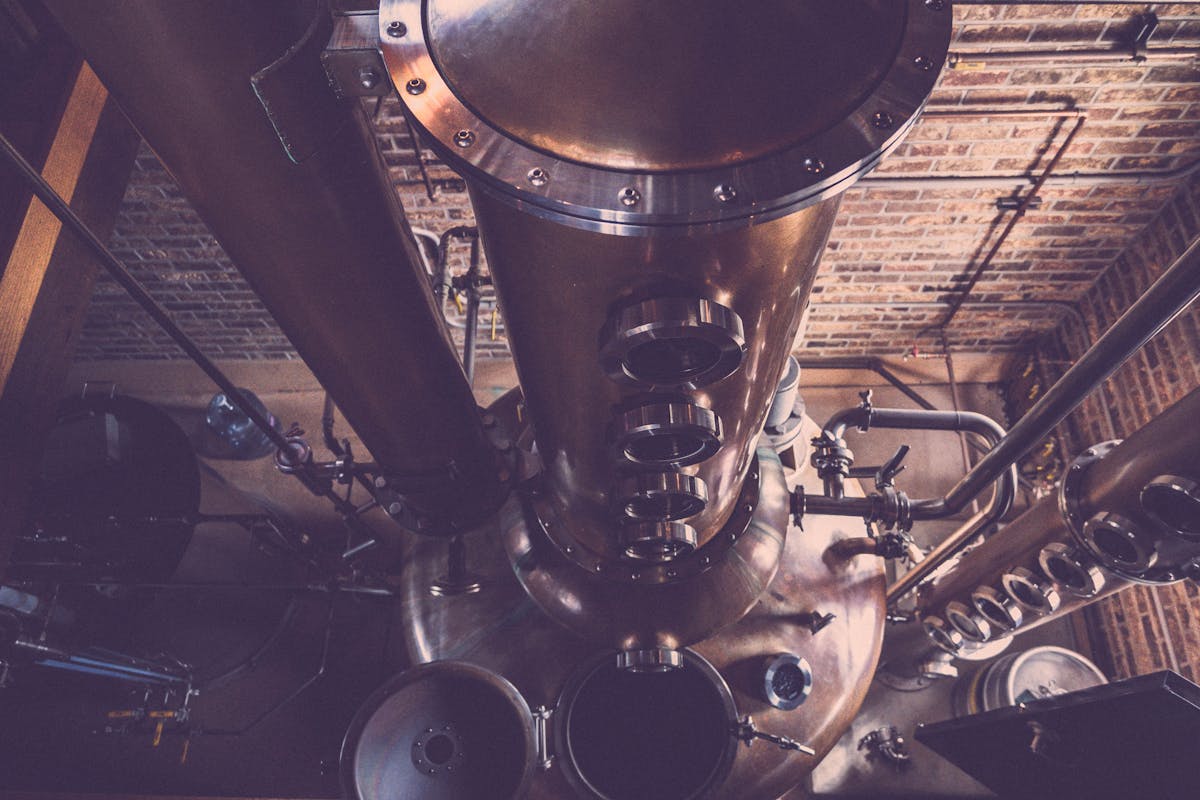
What makes rum tourism particularly compelling is its authenticity. Unlike many spirits experiences that can feel corporate and sanitised, Caribbean distillery visits remain deeply connected to place. The heat, the humidity, the smell of fermenting molasses, the sight of ancient copper pot stills — these sensory experiences cannot be replicated in a tasting room thousands of miles away. The rise of Caribbean rum tourism is not merely an industry trend; it is an invitation to experience one of the world's great spirits in the place where it was born.