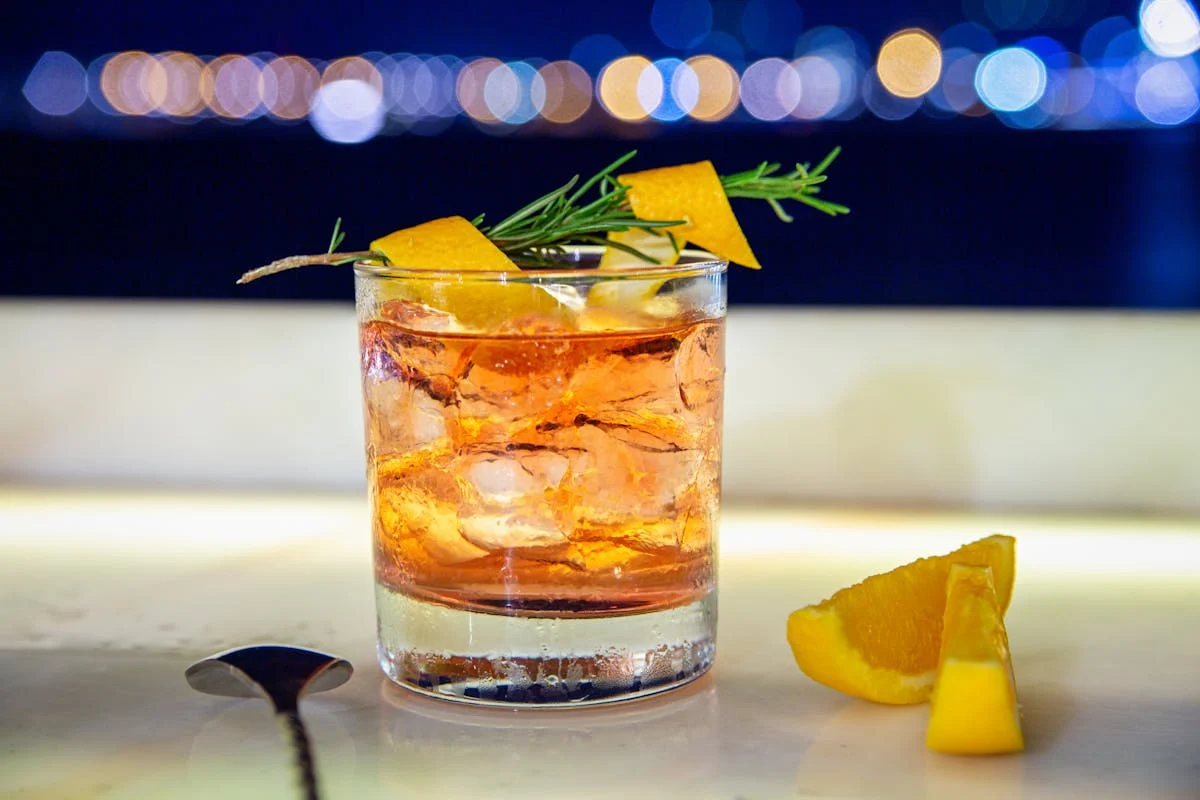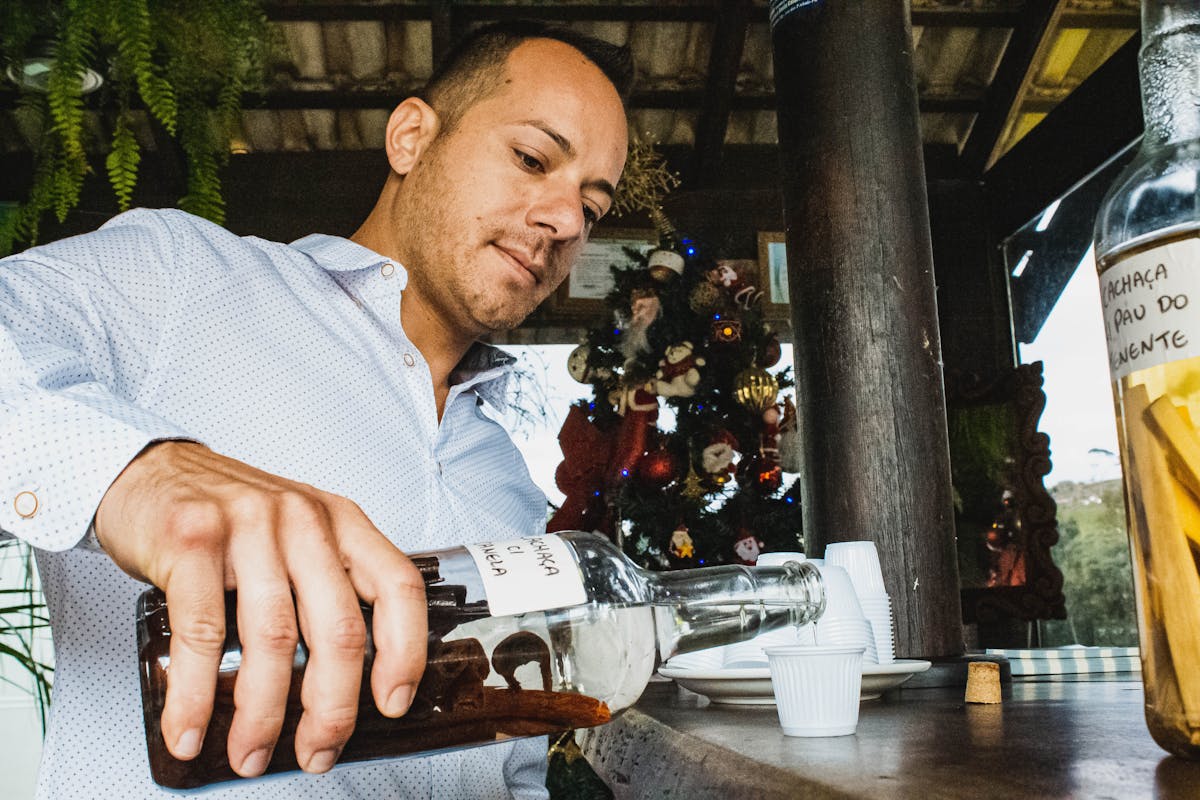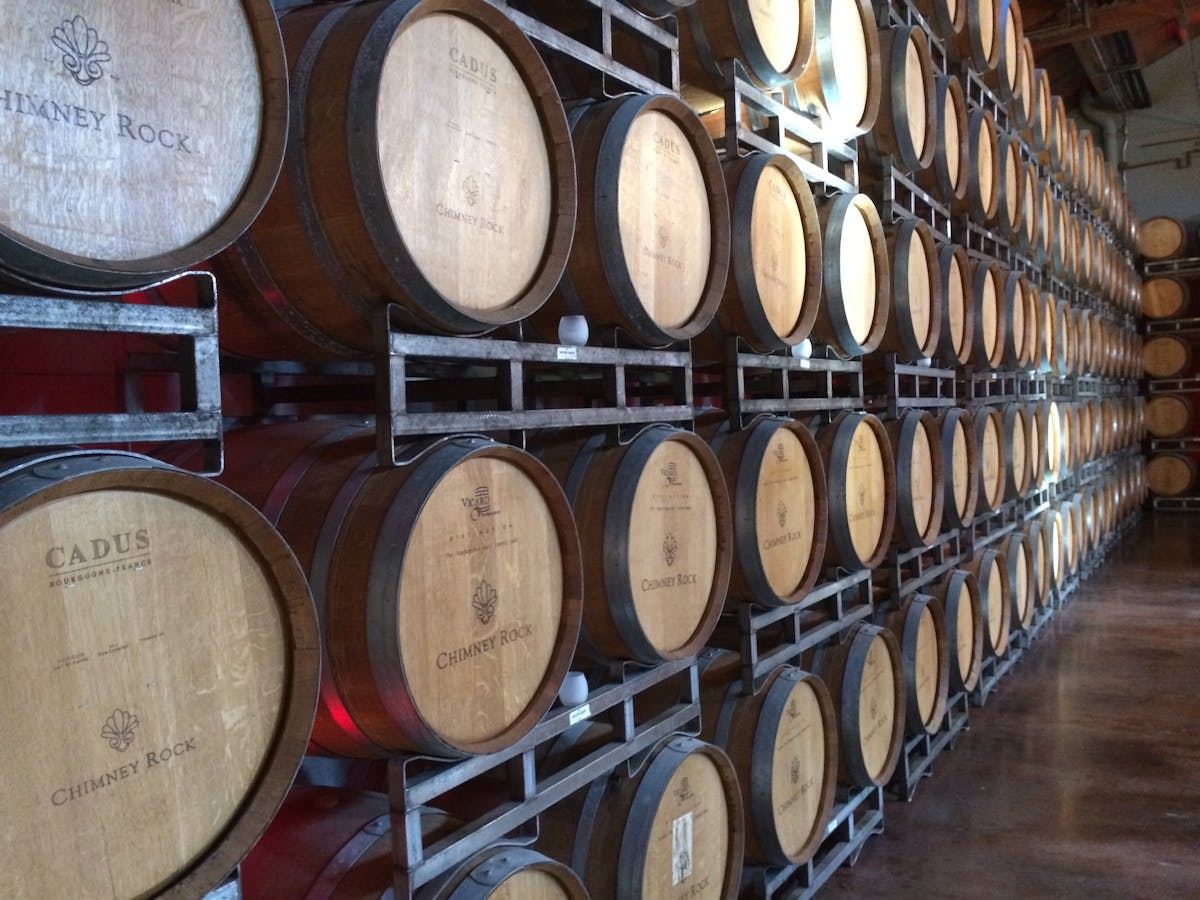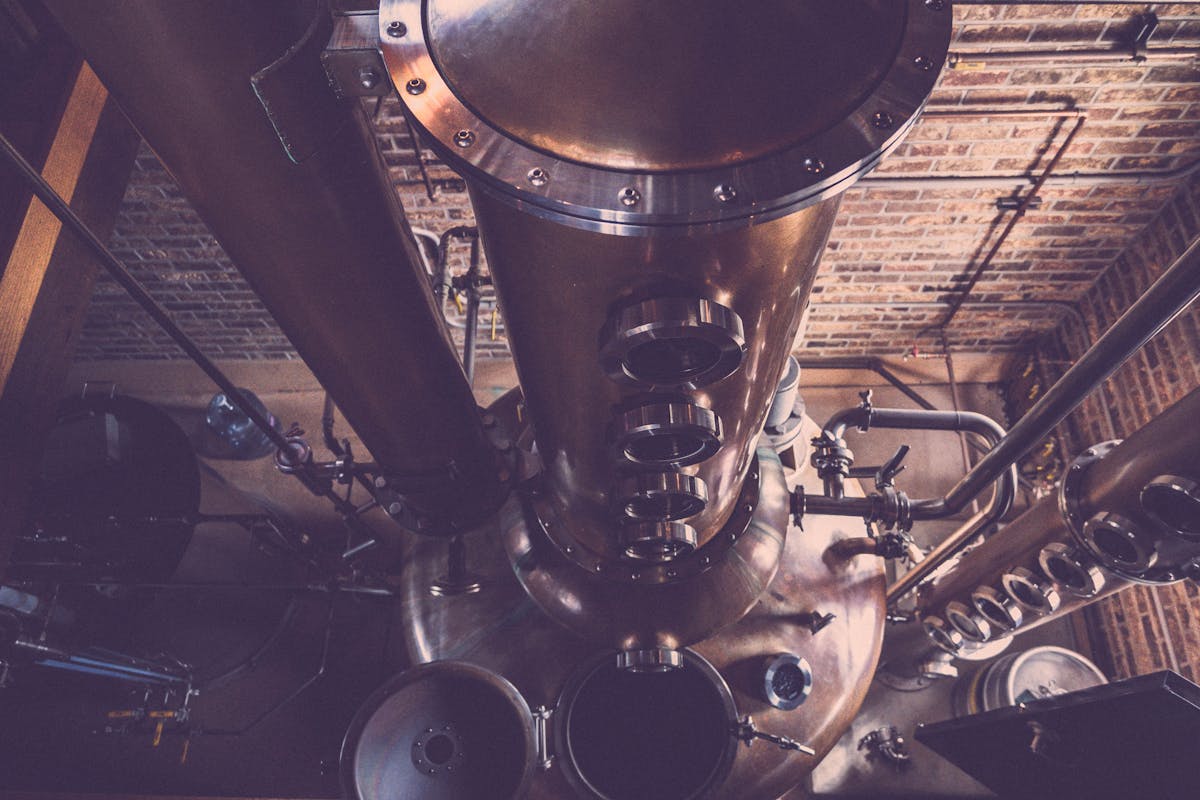

There was a time, not so long ago, when ordering rum neat at a serious bar would earn you a raised eyebrow. Rum was the spirit you mixed — with cola, with lime juice, with fruit juices in a plastic cup at a beach bar. The idea of sitting in a leather armchair, swirling a measure of twelve-year-old Barbadian rum in a Glencairn glass, and contemplating its finish the way one might contemplate a fine Speyside malt — that was not a thing. It simply was not done.
That world has changed utterly, and the transformation has happened with a speed that has surprised even those of us who have been advocating for premium rum for years. The numbers tell the story: the premium sipping rum segment (bottles retailing above £35) has grown by an average of 18% per year for the past five years. Aged rum now accounts for roughly 15% of global rum sales by value, up from barely 5% a decade ago. And auction prices for rare bottles — Caroni, Hampden, Foursquare single casks — have reached levels that would have seemed absurd in 2015.
The Pioneers
Several producers deserve credit for driving this shift. Richard Seale at Foursquare has been the most vocal and arguably the most influential, producing a series of Exceptional Cask Selections that have demonstrated, beyond any reasonable doubt, that rum can stand alongside the finest whisky and cognac in terms of complexity, depth, and craftsmanship. His insistence on transparency — no added sugar, no added colour, detailed production information on every label — has set a standard that the rest of the industry is increasingly being held to.
Appleton Estate, under Master Blender Joy Spence, has shown that Jamaica can produce rum of extraordinary refinement. The 21 Year Old, the 30 Year Old, and the limited Ruby Anniversary edition have all demonstrated that Jamaican rum — traditionally associated with the funky, high-ester pot still style — can also be silky, sophisticated, and profoundly elegant.
El Dorado and the Demerara heritage stills have introduced the world to the extraordinary diversity of Guyanese rum. The idea that a single distillery can produce dozens of distinct rum styles, each from a different heritage still, has captivated enthusiasts and elevated Guyana's status in the rum world enormously.
The Whisky Crossover
A significant driver of premium rum's growth has been crossover from the whisky world. As prices for aged Scotch whisky and Japanese whisky have risen steeply — a bottle of Yamazaki 18 that cost £80 in 2015 now commands £400 or more — value-conscious spirits enthusiasts have looked for alternatives that offer comparable quality at lower prices. Aged rum has been the primary beneficiary.
A twelve-year-old El Dorado at £32 offers complexity and depth that rivals single malts at twice the price. A Foursquare ECS at £65 competes with first-growth Scotch at three times the cost. The value equation is compelling, and whisky collectors are discovering that their palates, trained on oak, vanilla, and dried fruit, translate remarkably well to the aged rum world.
The Transparency Movement
Perhaps the most important development in premium rum has been the push for transparency. Unlike whisky, which is governed by strict regulations (particularly Scotch), rum has historically operated with minimal oversight. Producers could add sugar (sometimes substantial quantities), glycerol, caramel colour, and other additives without declaring them on the label. The result was a category where it was difficult for consumers to know what they were actually drinking.
The transparency movement, led by Foursquare, Hampden, and the independent bottler Velier, has changed the conversation. Hydrometer testing by independent analysts has revealed which brands add sugar and in what quantities, and this information — widely shared on social media and rum forums — has empowered consumers to make informed choices. Brands that offer transparency are being rewarded; those that do not are facing increasingly pointed questions.
Where We Are Now
Premium rum in 2026 is a genuinely exciting category. The quality at the top end is extraordinary. The diversity — from funky Jamaican pot still to elegant Barbadian blends, from grassy Martinique agricole to rich Guyanese Demerara, from smooth Guatemalan solera-aged to bold Trinidadian overproof — is unmatched by any other spirit category. And the prices, while rising, still represent remarkable value compared to equivalent-aged whisky and cognac.
The spirit that was once dismissed as a mere mixer has earned its place at the table. Pull up a chair. The conversation is just getting started.