The Daiquiri is, in its purest form, the simplest and most perfect rum cocktail ever devised: rum, lime juice, and sugar. That is all. No garnish is required; no elaborate technique is necessary; no rare ingredients need be sourced. And yet this elementary combination of spirit, citrus, and sweetness has inspired more devotion, more debate, and more variation than almost any other cocktail in the canon.
Origins in the Ore Mines
The cocktail takes its name from Daiquirí, a beach and iron ore mining village near Santiago de Cuba. The most commonly told origin story credits Jennings Cox, an American mining engineer, with mixing the first Daiquiri in 1898 during the Spanish-American War. The tale goes that Cox, running low on other spirits, combined the local rum with lime and sugar to create a refreshing drink that would sustain his workers in the Cuban heat. Whether the story is entirely true is debatable — Cuban bartenders had almost certainly been combining rum, lime, and sugar for generations before Cox arrived — but the name stuck.
El Floridita and the Hemingway Connection
The Daiquiri's ascent from mining camp refresher to international icon was driven largely by one bar and one writer. El Floridita, a bar in Old Havana, became synonymous with the cocktail under the stewardship of bartender Constantino Ribalaigua Vert — "El Rey de los Coteleros" (The King of Cocktails) — who refined and popularised the drink from the 1910s onwards. His frozen Daiquiri, made with shaved ice and shaken to extraordinary frothiness, became the house speciality.
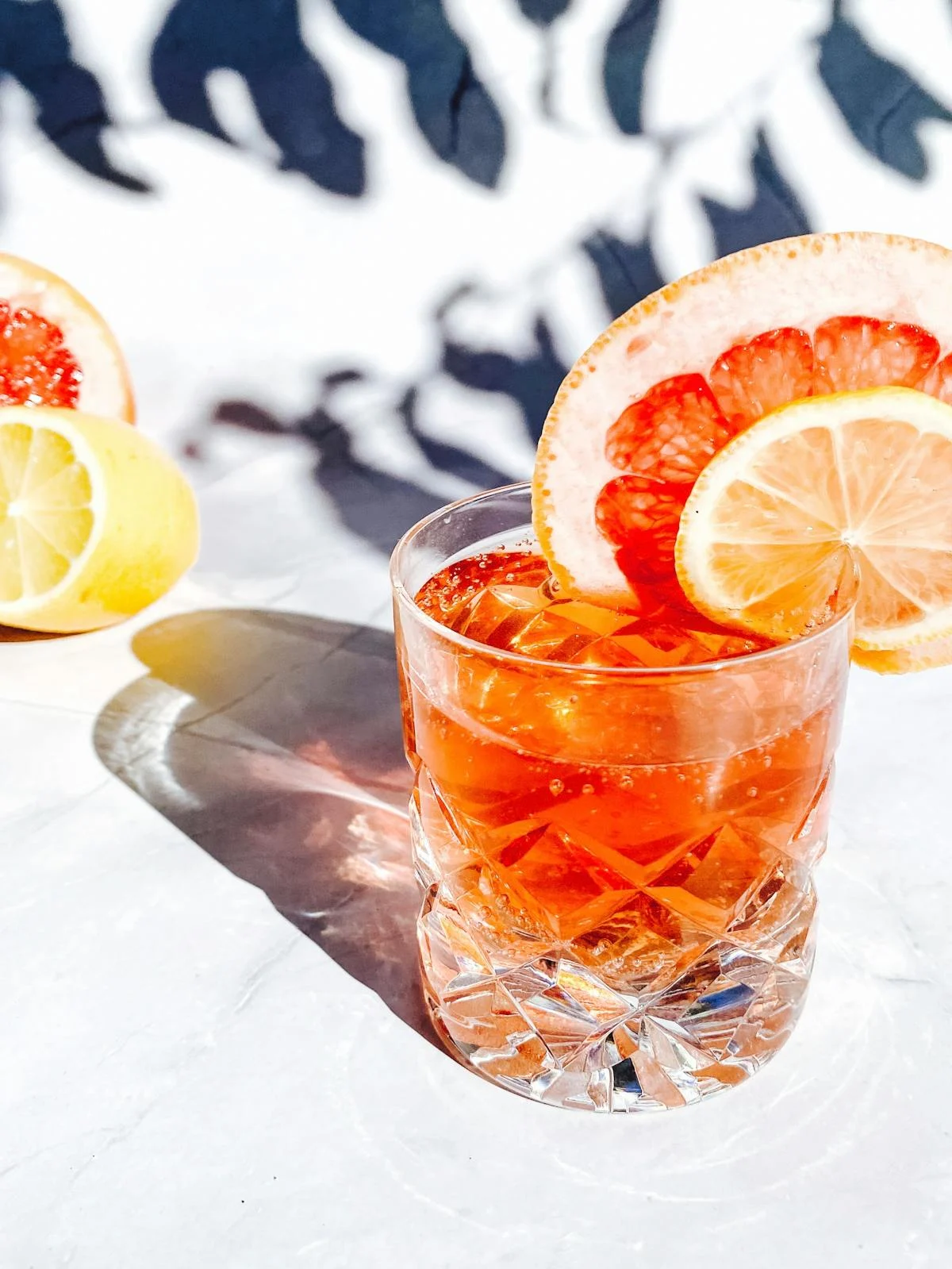
Ernest Hemingway, who lived in Cuba from 1939 to 1960, was El Floridita's most famous patron. His preferred variation — the "Hemingway Daiquiri" or "Papa Doble" — doubled the rum, added grapefruit juice and maraschino liqueur, and omitted the sugar entirely. Hemingway was diabetic (or at least claimed to be when it suited him), and the resulting cocktail was bracingly tart and extraordinarily strong. Whether this improved the Daiquiri or merely testified to Hemingway's prodigious drinking capacity is a matter of ongoing debate.
The Classic Formula
The classic Daiquiri — the version that every bartender should master — requires nothing more than 60ml of white rum, 25ml of fresh lime juice, and 15ml of simple syrup, shaken hard with ice and strained into a chilled coupette. The proportions can be adjusted to taste — a touch more lime for tartness, a touch more syrup for sweetness — but the essential balance should be maintained: the rum provides the body, the lime provides the acidity, and the sugar provides the bridge between them.
The choice of rum matters enormously. A clean, characterful white rum — Havana Club 3 Años, Plantation 3 Stars, or Banks 5 Island — will produce a Daiquiri with genuine depth and personality. A neutral rum like Bacardi Carta Blanca will produce something drinkable but unremarkable. And an aged rum — while technically a different cocktail — can produce extraordinary results, the oak and vanilla adding warmth and complexity to the citrus framework.
The Frozen Controversy
No discussion of the Daiquiri is complete without addressing the frozen version, which exists on a spectrum from the sublime to the grotesque. A properly made frozen Daiquiri — fresh ingredients blended with ice to a smooth, slushy consistency — can be magnificent, particularly in tropical heat. The frozen abominations dispensed from machines at resort bars, made with artificial mixes and bearing no resemblance to actual Daiquiris, are an entirely different matter and should be spoken of only in tones of appropriate sadness.
The Daiquiri endures because it demonstrates a fundamental truth about cocktails: simplicity, executed with care and quality ingredients, will always triumph over complexity for its own sake. It is a cocktail that honours rum, that celebrates lime, and that demands nothing more from the drinker than a willingness to appreciate perfection in its most unadorned form. Cuba has given the world many things, but the Daiquiri may be its most enduring and most generous gift.