If you have ever tasted a Jamaican rum — a proper one, from Hampden or Worthy Park or Long Pond — you know the experience is unlike any other spirit. There is a quality that rum enthusiasts call "funk" and Jamaicans call "hogo" (from the French haut goût, meaning "high taste") — an intense, almost confrontational flavour that can recall overripe banana, fermenting fruit, olive brine, and even nail varnish. It is divisive, addictive, and utterly unique to Jamaica. Understanding where it comes from requires understanding esters.
The Chemistry of Funk
Esters are chemical compounds formed during fermentation when acids react with alcohols. They are present in all rums, but Jamaican rums are deliberately produced to contain extraordinarily high concentrations of them. While a typical column still rum might contain 50-80 grams of esters per hectolitre of pure alcohol, a heavy Jamaican pot still rum can contain 700, 1000, or even 1600 grams. The difference in flavour is not subtle — it is a difference in kind rather than degree.
Jamaican distillers achieve these extreme ester levels through several techniques. Fermentation is extended — sometimes for two to three weeks, compared to the two to three days typical of lighter rum styles. The wash may be soured with "dunder" (the spent liquid from a previous distillation) and "muck" (a proprietary mixture of decomposing organic matter maintained in pits adjacent to the distillery). Wild, airborne yeasts supplement cultivated strains, contributing unpredictable but valuable fermentation characteristics. The entire process is designed to maximise the production of volatile flavour compounds.
The Pot Still Tradition
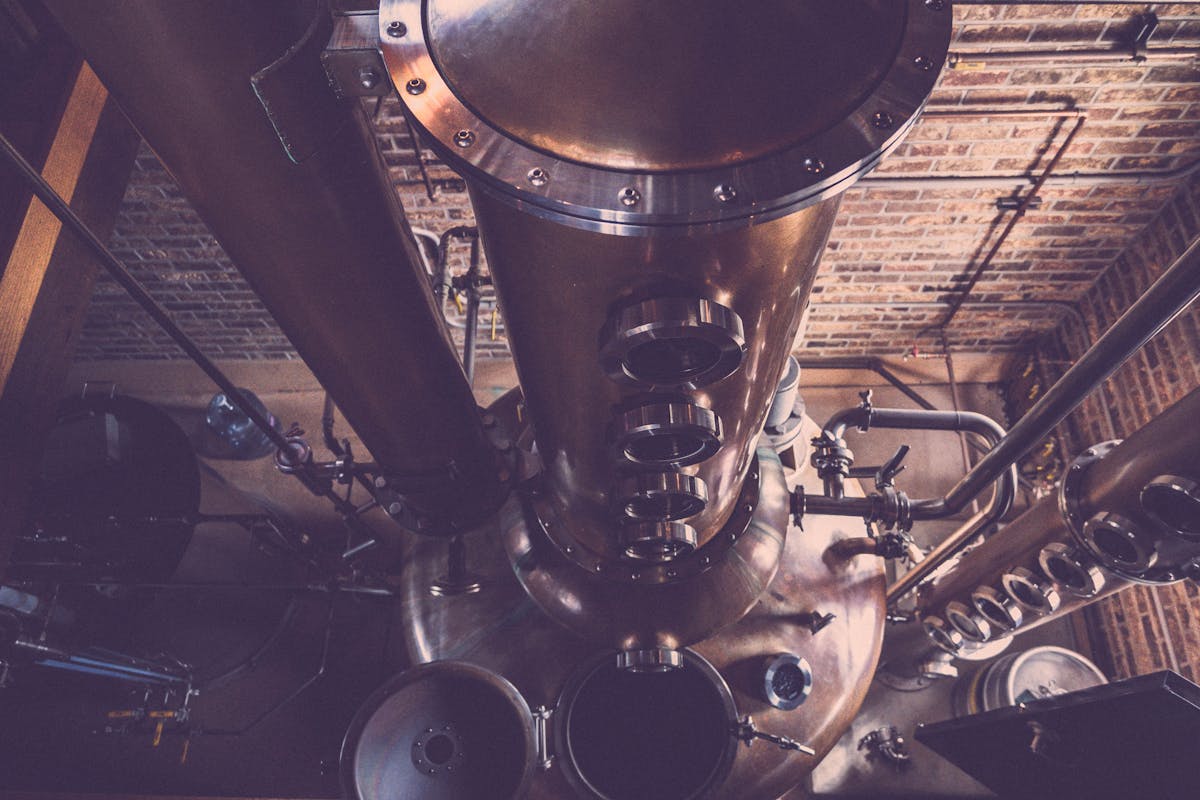
Jamaica's insistence on pot still distillation is central to its rum identity. Where column stills produce clean, efficient spirit by stripping away most congeners (flavour compounds), pot stills retain them — including the esters that give Jamaican rum its signature character. Hampden Estate, Long Pond, and Worthy Park all use traditional pot stills, some with double retort systems that allow for flavour concentration while still achieving a higher proof than a single-pass pot still could deliver.
The GI (Geographical Indication) system that Jamaica uses to classify its rums is based entirely on ester content. From "Common Clean" (the lightest style) through "Plummer," "Wedderburn," and "Continental Flavoured" to the intensely concentrated "DOK" mark, each classification represents a higher ester level and a more intensely flavoured rum. This systematic approach to flavour intensity is unique to Jamaica and speaks to the island's deep understanding of its own rum tradition.
Modern Renaissance
Jamaican funk was once a niche interest — appreciated by rum enthusiasts and tiki bartenders but largely unknown to casual drinkers. The past decade has seen a remarkable renaissance. Independent bottlers have released single-cask Jamaican rums to critical acclaim. Hampden Estate began bottling under its own name for the first time in its 250-year history. Smith & Cross brought navy-strength Jamaican rum to cocktail bars worldwide. And a new generation of bartenders has embraced Jamaican rum as an essential ingredient in everything from Mai Tais to modern original cocktails.
What makes Jamaican rum special is not merely its flavour — though that flavour is extraordinary — but the tradition behind it. The techniques used at Hampden and Worthy Park today are essentially unchanged from those used in the eighteenth century. The dunder pits, the extended fermentations, the pot stills — these are not quaint anachronisms but living practices, maintained because they produce results that no modern technology can replicate. In an age of standardisation and efficiency, Jamaican rum stands as a testament to the value of tradition, patience, and the courage to make spirits that taste like nowhere else on earth.