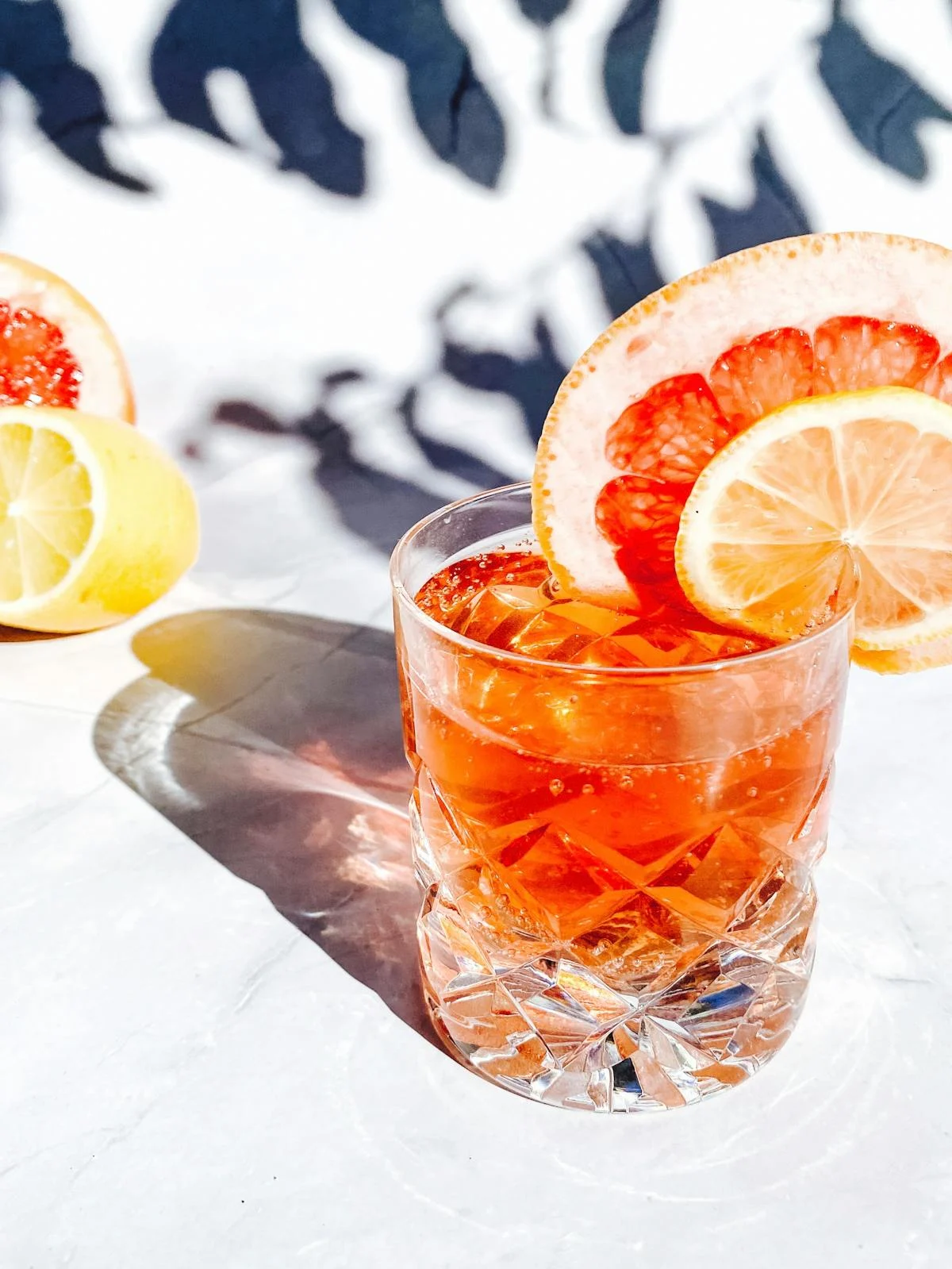
In 1934, a man named Ernest Raymond Beaumont Gantt — who would later rename himself Donn Beach — served a cocktail to a hung-over customer at his Hollywood bar, Don the Beachcomber. The drink, he claimed, would cure what ailed the man. It used three different types of rum, various fruit juices, and a combination of spices and syrups that Gantt kept deliberately secret, labelling his ingredients with codes to prevent staff from stealing his recipes. The customer reportedly returned several days later, complaining that the drink had turned him into a zombie. The name stuck.
The Zombie would become the most famous — and most feared — cocktail of the tiki era. It was so potent that Don the Beachcomber famously limited customers to two per visit. Signs at the bar read "Limit: 2 Zombies per person." It was a marketing masterstroke: nothing sells a drink quite like telling people they cannot have too many of it.
The Original Recipe Mystery
Donn Beach was pathologically secretive about his recipes. He used coded ingredient labels — "Mix No. 1," "Mix No. 2," "Don's Spices" — and changed the codes regularly. When he left his bars to serve in World War II, his ex-wife took over the business, and the original recipes were gradually lost or altered. For decades, the exact composition of the original Zombie was the subject of intense debate among cocktail historians.
The breakthrough came when tiki historian Jeff "Beachbum" Berry spent years tracking down former Don the Beachcomber employees and eventually obtained a 1934 recipe card. The original Zombie contained three rums — a gold Puerto Rican, a dark Jamaican, and a 151-proof Demerara — along with lime juice, Don's Mix (grapefruit juice and cinnamon syrup), falernum, Angostura bitters, grenadine, and absinthe. It was, and remains, a masterpiece of layered rum complexity.
Why Three Rums?
The genius of the Zombie lies in its use of three distinct rum styles. The gold rum provides a smooth, neutral backbone. The dark Jamaican pot still rum adds funk, depth, and the characteristic ester-heavy flavour that gives tiki drinks their tropical complexity. The 151-proof Demerara brings intensity, richness, and a deep molasses character. Together, the three rums create a flavour profile that no single rum could achieve alone — a lesson in blending that has influenced cocktail-making ever since.
This principle — using multiple rums in a single cocktail to create complexity — became a cornerstone of tiki mixology. It is the reason serious tiki bars maintain extensive rum collections, and the reason the Zombie remains the ultimate test of a bartender's rum knowledge.
Making a Zombie Today
A proper Zombie requires quality rums and careful measurement. The temptation is to use cheap spirits on the assumption that the fruit juices will mask everything, but this produces a headache-inducing mess rather than a cocktail. Use a good Puerto Rican gold (Don Q or Bacardí Gold), a Jamaican pot still rum (Appleton Estate or Smith & Cross), and a Demerara overproof (Hamilton 151 or Lemon Hart 151). Fresh lime and grapefruit juice are essential. And respect the limit — two is genuinely enough.
The Zombie endures because it represents something fundamental about rum: its extraordinary versatility and range. No other base spirit offers the diversity that rum does, and no cocktail demonstrates that diversity more brilliantly than this one. Donn Beach may have been a showman and a fabulist, but his greatest creation was — and remains — a work of genuine genius.